
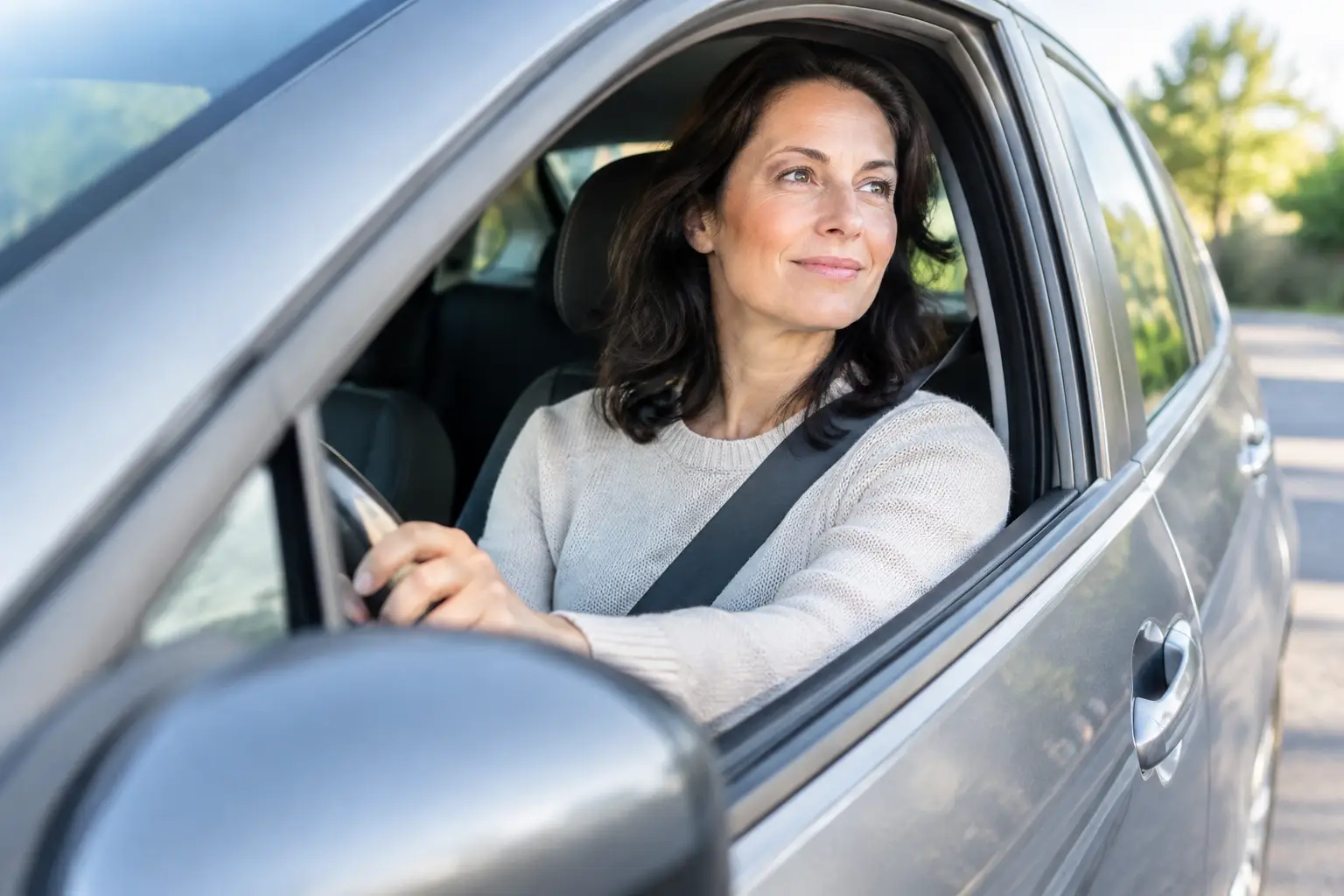
A driver can hold a valid license and still feel unprepared to pull out of the driveway. That is where a confidence recovery example can be useful. It shows that rebuilding comfort behind the wheel is not about forcing yourself onto a busy freeway before you are ready. It is about practicing the right skills in the right order until safe decisions begin to feel familiar again.
For returning drivers, a loss of confidence often follows a long break from driving, a move to a busier area, a close call, an accident, a health change, or years of relying on family members for transportation. The reason may be personal, but the solution usually starts with the same foundation: patient instruction, realistic practice, and clear feedback.
A Confidence Recovery Example: Returning to South Bay Roads
Consider Maria, a fictional adult driver who had not driven regularly for nearly eight years. She still had her California license, but after moving to Torrance, she began avoiding the driver’s seat. Her husband handled freeway trips, her teenager drove them to errands, and Maria used rideshare services even for short appointments.
Her concern was not that she had forgotten every rule of the road. She remembered how to start the car, use mirrors, signal, and stop at intersections. What she no longer trusted was her ability to make decisions quickly enough. She worried about turning left across traffic, changing lanes near busy shopping centers, merging onto the freeway, and parking between vehicles.
Her first mistake would have been trying to solve all of those fears in one drive. Instead, she began with a private lesson in a quiet residential area. The instructor first checked her seating position, mirror adjustment, steering control, braking pressure, and scanning habits. These basic steps may sound simple, but they matter. A driver who sits too far back, grips the wheel tensely, or checks mirrors inconsistently will feel less in control before traffic even becomes challenging.
During that first lesson, Maria practiced smooth starts and stops, right and left turns at low-speed intersections, and stopping at the correct position before a limit line or crosswalk. She was not rushed into freeway driving. The goal was to help her recognize that she could still control the vehicle safely.
By the end of the lesson, she was not suddenly eager to drive anywhere. But she had evidence that she could perform core tasks with guidance. That evidence is more valuable than empty reassurance.
Why Confidence Needs Skill Behind It
Many nervous drivers hear, “Just relax” or “You’ll be fine.” Those comments are well intentioned, but they do not teach a driver what to look for, when to brake, or how to judge a safe gap in traffic. Real driving confidence comes from repeatable habits.
For Maria, each lesson had a specific purpose. After refreshing basic vehicle control, she practiced residential routes with more stop signs, pedestrians, parked cars, and intersections. Next came lane changes on wider streets. Her instructor talked through the process: check mirrors, signal early, look over the shoulder for the blind spot, assess the space, and move gradually when it is safe.
The point was not to memorize a script and follow it blindly. Traffic conditions always vary. Instead, the process gave her a dependable routine to use when she felt pressure building. A structured routine helps a returning driver replace panic with observation.
This is also why confidence can rise and fall from one lesson to the next. A driver may feel comfortable on a calm neighborhood street, then feel tense again in heavier traffic near Redondo Beach or Gardena. That does not mean the earlier progress was lost. It means the driver has reached a new level of difficulty and needs practice there too.
Building Difficulty Gradually
A good recovery plan should match the driver’s current ability, not someone else’s expectations. For some people, two or three focused lessons may be enough to refresh skills before a DMV road test or a new commuting routine. For others, especially drivers returning after an accident or a very long break, more time may be appropriate.
Maria’s next step was practicing on busier arterial roads. She worked on maintaining a steady speed, recognizing changing traffic lights, choosing the correct lane before a turn, and leaving enough following distance. She also practiced handling common local situations, such as vehicles pulling out of driveways, cyclists near the curb, and pedestrians entering crosswalks.
Only after she could manage those situations calmly did her instructor introduce freeway preparation. They began by reviewing the steps before entering a freeway: identify the entrance lane, build speed on the ramp when conditions allow, scan mirrors and the blind spot, and look for a safe opening. Her first freeway session took place during a lower-traffic period, with the instructor giving calm, timely direction.
This gradual approach has a trade-off. It may feel slower than asking a friend to take you immediately onto the freeway. Yet slower practice is often more efficient because it prevents a driver from becoming overwhelmed. When anxiety is too high, it is harder to absorb corrections and build good habits.
What the Instructor Notices That a Family Member May Miss
Family members can be supportive practice partners, particularly after a driver has rebuilt a solid base. But they may not notice small habits that affect safety, or they may give too many instructions at once. A parent, spouse, or adult child may also be anxious themselves, which can make the drive more stressful for everyone.
A professional instructor looks for patterns. Is the driver braking too late? Looking only at the car directly ahead instead of farther down the road? Waiting too long to signal? Turning the wheel while stopped? Hesitating at every unprotected left turn? Each pattern has a practical correction.
In Maria’s case, her instructor noticed that she focused so intensely on the lane directly in front of her that she was missing information farther ahead. When traffic slowed, she sometimes reacted late. They practiced looking 12 to 15 seconds ahead while continuing to scan mirrors and the immediate roadway. With repetition, she began braking earlier and more smoothly.
That one change did more for her confidence than being told to “pay attention.” It gave her a specific skill to practice and a clear reason it improved safety.
Measuring Progress Without Expecting Perfection
Confidence recovery is not measured by whether a driver feels zero nervousness. Most responsible drivers feel some extra alertness in heavy rain, rush-hour traffic, unfamiliar neighborhoods, or complicated freeway interchanges. The goal is to make safe choices even when a situation feels demanding.
After several lessons, Maria could identify her own progress. She no longer avoided left turns automatically. She could change lanes with a consistent observation routine. She parked without asking someone else to take over. Most importantly, she could decide when a situation was not safe and wait for a better opportunity rather than rushing because another driver was behind her.
That is a meaningful sign of growing confidence: the driver is no longer trying to prove anything. They are using judgment.
For a teen who has had a discouraging early drive, a senior driver who wants a refresh, or an adult who has been away from driving, the timeline will differ. The right plan depends on prior experience, current comfort level, and the type of driving the person needs to do. A driver preparing for the DMV road test may need focused practice on test-related maneuvers. A returning commuter may need more work on freeway entry, lane positioning, and traffic flow.
A Safer Way to Start Again
Before your first confidence-building drive, choose a time with lighter traffic and a route you know well. Adjust the seat and mirrors before shifting into gear, silence distractions, and give yourself permission to pull over safely if you need a moment to reset. Short, successful drives are better than one long drive that leaves you discouraged.
At South Bay Driving School, returning drivers can work with a patient instructor on the areas that feel most difficult, whether that means basic vehicle control, city driving, freeway practice, parking, or DMV road-test preparation. Private instruction gives drivers a chance to ask questions without feeling judged and to progress at a pace that supports safety.
The next drive does not have to be a test of courage. Let it be one calm, well-prepared opportunity to practice a skill, make a safe decision, and remind yourself that confidence can return one mile at a time.