
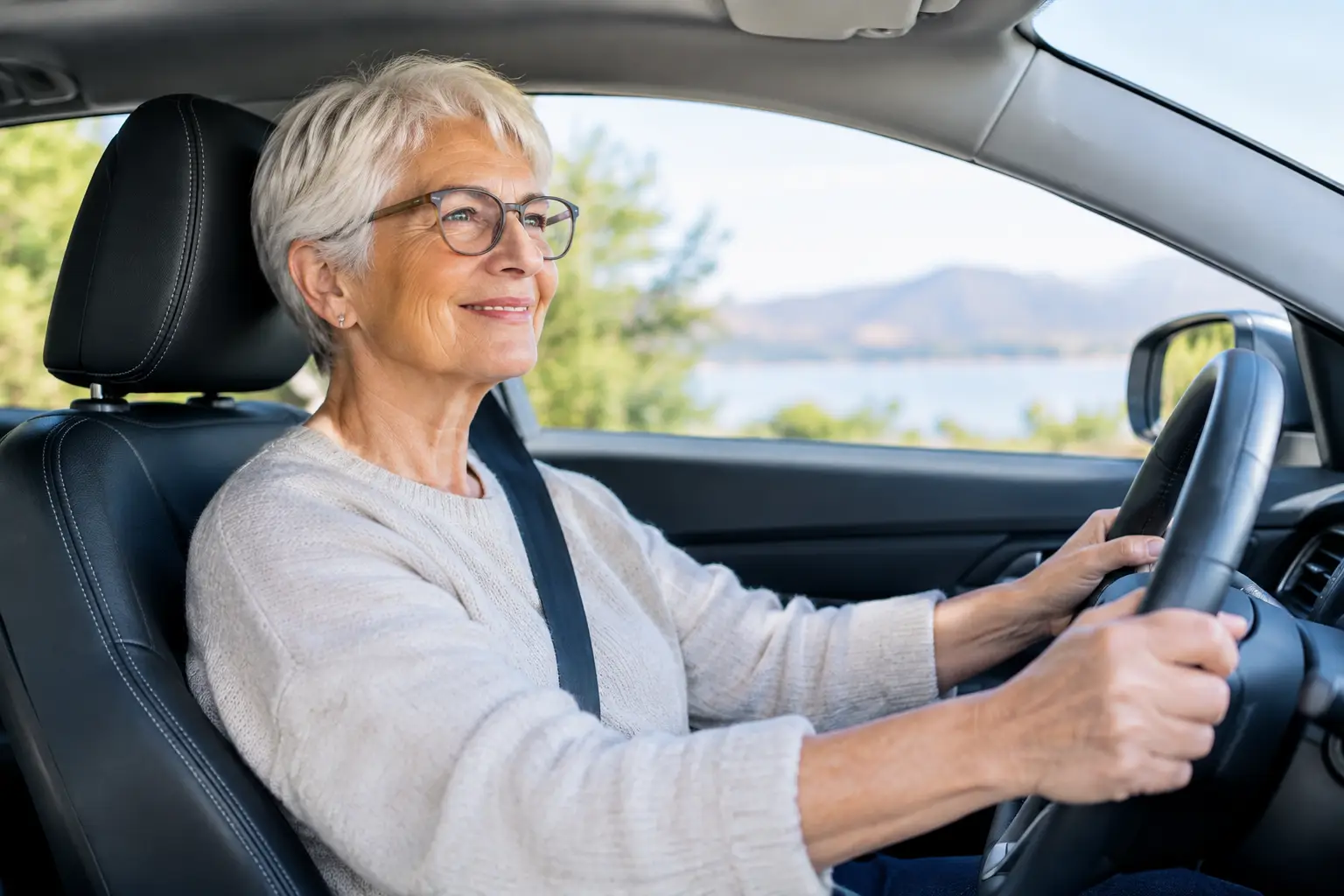
A familiar trip to the grocery store can feel different when glare makes an afternoon turn harder to judge, a new vehicle has unfamiliar controls, or freeway traffic seems less predictable than it once did. For senior drivers, these moments do not automatically mean it is time to stop driving. They are useful signals to slow down, reassess, and build skills that support safe, independent mobility.
Driving is closely tied to freedom. It makes it easier to see family, attend appointments, run errands, volunteer, and remain part of the community. The goal of a driving refresher is not to question a person's independence. It is to help them protect it through practical habits, realistic self-awareness, and patient practice.
Why Driving Can Change With Age
Experience remains one of a driver's greatest strengths. Many older drivers have decades of good decision-making behind the wheel, including the ability to anticipate traffic problems and avoid unnecessary risks. At the same time, gradual changes in vision, hearing, flexibility, reaction time, or medication effects can make certain driving situations more demanding.
These changes often show up first in specific conditions rather than on every trip. Night driving may become tiring. A busy left turn may require more time and attention. Looking over a shoulder while merging or backing out may feel uncomfortable. Heavy rain, freeway entrances, fast-moving intersections, and unfamiliar neighborhoods can also raise stress levels.
There is no single age when someone should stop driving. Ability, health, driving history, and comfort level matter much more than a birthday. A useful question is not, "Am I too old to drive?" It is, "What situations are becoming harder, and what can I do about them?"
Senior Drivers Benefit From a Practical Refresher
A refresher lesson gives a driver a calm setting to identify habits that may need attention. It can be especially helpful after a long break from driving, a move to a new area, an illness or injury, a medication change, a minor collision, or a close call that left the driver feeling shaken.
The best instruction is paced to the individual. Some drivers want to review parking, lane changes, and right-of-way rules. Others want more practice on local streets before returning to larger roads. A person preparing for a California DMV drive test may need focused test preparation, while a licensed driver may simply want feedback and renewed confidence.
At South Bay Driving School, senior instruction can be tailored around those real-life goals rather than forcing every student through the same lesson plan. A patient instructor can observe driving in normal traffic, explain adjustments clearly, and allow time to repeat a skill until it feels natural.
Skills Worth Reviewing
A refresher should focus on the situations the driver actually faces. For many people, that means making safe left turns, judging gaps in traffic, changing lanes, merging, backing up, parking, and navigating intersections with pedestrians and cyclists.
Vehicle controls deserve attention as well. Newer cars can have backup cameras, parking sensors, touchscreens, push-button starters, advanced braking features, and dashboard alerts that were not part of the vehicle a driver used for years. These tools can add safety, but they should support attentive driving, not replace it. A backup camera does not eliminate the need to look around before reversing.
Drivers may also benefit from reviewing California traffic laws that have changed since they first earned a license. A professional lesson can clarify current right-of-way expectations, bicycle safety, crosswalk awareness, school-zone behavior, and the rules that apply to intersections and turns.
Small Adjustments Can Make a Meaningful Difference
Safe driving often begins before the engine starts. A few practical choices can reduce strain and make every trip more manageable.
Start with the driving position. The seat should provide a clear view of the road while allowing the driver to reach pedals and controls comfortably. Mirrors should be adjusted before moving, with side mirrors positioned to reduce blind spots. If turning the head is difficult, addressing seat and mirror position can help, but it does not remove the need to check carefully for people, bicycles, and vehicles nearby.
Vision should be checked regularly, especially if glare, difficulty reading signs, or reduced night visibility has become noticeable. Clean windshields inside and out, working wipers, and properly functioning headlights also make a real difference. Sunglasses that reduce glare can be useful during bright South Bay afternoons, provided they do not interfere with clear vision.
Plan trips with comfort in mind. Driving during daylight, allowing extra travel time, choosing familiar routes, and avoiding the busiest traffic periods can reduce pressure without limiting independence. GPS directions can help with unfamiliar destinations, but the device should be set before driving and used only when it does not take attention away from the road.
Medication deserves an honest review, too. Some prescriptions and over-the-counter products can cause drowsiness, dizziness, blurred vision, or slower reactions. Drivers should ask a doctor or pharmacist whether a medication could affect driving and avoid getting behind the wheel when they feel impaired.
Warning Signs That Call for a Check-In
Every driver makes an occasional mistake. A wrong turn or a stressful parking experience is not, by itself, a reason to give up driving. Patterns are more meaningful than isolated events.
It may be time for a refresher lesson, vision appointment, medical conversation, or family discussion when a driver regularly feels anxious in routine traffic, receives frequent honks from other drivers, has difficulty staying centered in a lane, misses signs or signals, gets lost in familiar areas, or notices new dents and near misses. Tickets, repeated close calls, and crashes should also be taken seriously.
The right response depends on the cause. If a driver is simply rusty after months away from the road, practice may be enough. If confidence has dropped after a collision, a few calm behind-the-wheel sessions can help rebuild it. If a health concern is affecting attention, mobility, or vision, medical guidance should come first.
How Families Can Start the Conversation
Conversations about driving can feel personal because they involve independence. Family members often worry about safety, while the driver may worry that loved ones are trying to take away a valued part of daily life. Starting with respect makes a major difference.
Instead of making a broad statement such as "You should not drive anymore," point to a specific concern: trouble seeing at night, discomfort with freeway traffic, or a recent close call while backing up. Ask how the driver feels in those situations. They may already recognize the issue and welcome a practical way to address it.
A neutral, professional evaluation can reduce tension. An instructor is there to coach, not judge, and can provide useful observations about current skills. That feedback may lead to a refresher plan, changes in driving routines, or a conversation about alternative transportation when driving is no longer the safest option.
Confidence Comes From Practice, Not Pressure
A helpful lesson does not rush a senior driver into the hardest traffic situation on day one. It starts where the driver is comfortable, reviews vehicle control and observation habits, then adds complexity at a reasonable pace. Repetition matters. A skill practiced correctly several times becomes easier to use when traffic is busy.
It also helps to separate confidence from overconfidence. Safe confidence means knowing how to scan an intersection, leave following distance, check blind spots, and decide not to take a gap that feels uncertain. Choosing to wait for a safer opening is good judgment, not hesitation.
For drivers in Torrance and nearby South Bay communities, local practice can be particularly valuable because it prepares students for the streets, parking areas, and traffic patterns they use most. Familiar routes are a good place to rebuild comfort before expanding to more challenging driving situations.
Keeping driving skills current is an ongoing process, much like maintaining a vehicle or attending regular health appointments. A patient refresher can turn uncertainty into a clear plan, helping a driver make each trip with greater awareness, comfort, and care.