
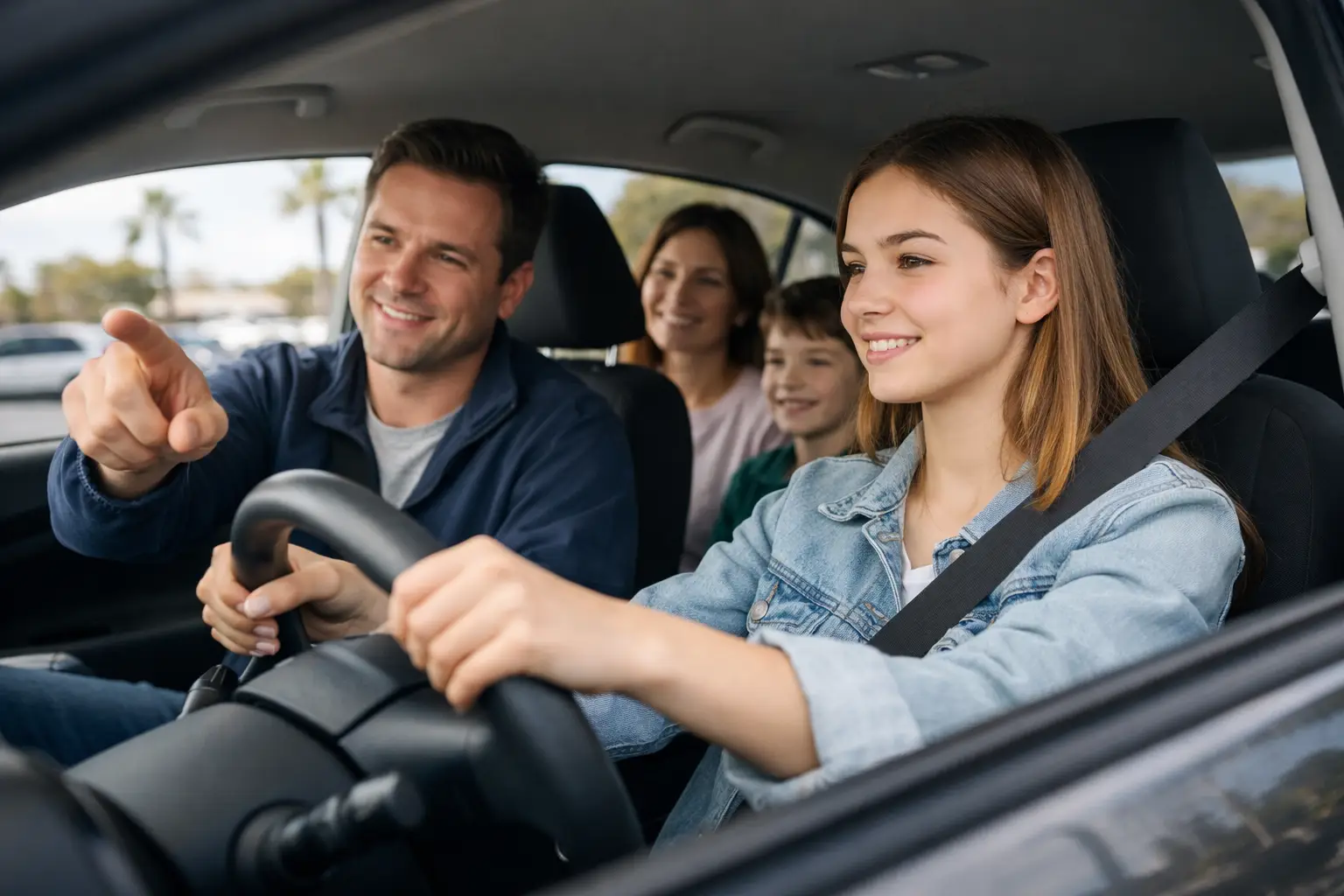
A new driver’s first few hours behind the wheel can shape how they feel about driving for years. That is why driving lessons Torrance students receive should be paced carefully, taught patiently, and built around real skills rather than rushed practice. For teens, adults, returning drivers, and concerned families, the goal is not simply to complete lesson hours. It is to develop safe decisions that hold up when traffic gets busy, conditions change, or nerves take over.
Professional instruction gives learners a structured place to begin. Instead of relying on occasional practice with a busy parent or friend, students can work through each skill in a logical order with an instructor who knows when to challenge them and when to slow down.
What Good Driving Lessons in Torrance Should Teach
A learner does not become road-ready by memorizing a few parking maneuvers. Safe driving comes from connecting vehicle control, traffic awareness, judgment, and consistency. The earliest lessons may focus on seating position, mirror use, smooth braking, steering control, and making controlled turns. As confidence grows, instruction should move into lane changes, intersections, parking, freeway entry, and more complex traffic situations.
The right pace depends on the student. A teen who has never driven may need time to become comfortable with the vehicle before working on busier roads. An adult beginner may understand traffic rules but need more repetition with turns and lane positioning. A returning driver may be capable in many situations yet feel uneasy after years away from the road. Patient instruction meets the student where they are without treating hesitation as failure.
Local experience matters, too. Torrance-area drivers encounter wide boulevards, neighborhood streets, school-zone activity, multi-lane intersections, parking lots, and nearby freeway traffic. Lessons should prepare students to scan ahead, manage space around the vehicle, and make calm choices instead of reacting at the last second.
A Clear Path From Permit to DMV Test
For many families, California licensing requirements can feel like a long checklist. A clear training plan turns that checklist into manageable milestones. The process generally begins with driver education and a learner’s permit, followed by supervised behind-the-wheel practice and professional training before the DMV road test.
Online driver education can help students complete the classroom portion on a schedule that works around school, sports, work, and family obligations. Behind-the-wheel lessons then put those rules into practice. A good instructor reinforces habits that students can repeat between lessons: checking mirrors before changing direction, making complete stops, using turn signals early, maintaining an appropriate following distance, and looking well beyond the vehicle in front of them.
Professional lessons do not replace family practice. They make family practice more productive. After each lesson, students should understand what went well, what needs attention, and what to practice next. Parents can then reinforce those same expectations instead of trying to guess which skills matter most.
DMV Test Preparation Is More Than a Practice Route
A DMV road test evaluates whether a driver can operate safely, observe traffic laws, and respond appropriately to ordinary road conditions. It is not designed to reward flashy driving or speed. Students should expect to demonstrate controlled turns, proper stops, lane changes when appropriate, backing maneuvers, traffic checks, and sound judgment.
Test preparation is most useful when it identifies the student’s actual weak spots. One learner may need extra work with curbside parking and backing. Another may need reminders to scan intersections or maintain a steady speed. A student who is technically skilled but anxious may benefit from a realistic practice test that makes the DMV process feel familiar.
There is a trade-off in waiting until the last minute. A single refresher lesson can be helpful for an experienced student, but it cannot reliably build habits that were never practiced. Starting early gives learners room to improve without putting unnecessary pressure on the test date.
Choosing the Right Lesson Plan
The best package is not always the largest one. It is the one that fits the learner’s starting point, availability, and goals. A complete beginner usually benefits from a planned series of lessons with time to practice between appointments. A student who has already logged meaningful supervised driving time may need targeted coaching and DMV preparation instead.
When comparing driving schools, families should look beyond the number of hours advertised. Ask how instruction is personalized, whether lessons progress from basic control to real traffic situations, and how the school communicates areas for improvement. Convenience matters as well. Online scheduling and pickup and drop-off for eligible teen students can make it easier to maintain a consistent lesson schedule.
South Bay Driving School has served local families since 1992 with private instruction designed around individual needs. That matters because no two students bring the same experience level, confidence, or learning style to the driver’s seat.
Support for Adults, Seniors, and Manual-Transmission Learners
Teen drivers are not the only people who benefit from structured training. Adult beginners often want a private, respectful setting where they can ask questions without embarrassment. Some have postponed learning because of work, family responsibilities, or anxiety. Others learned years ago in another country and want help adjusting to California driving expectations.
Returning and senior drivers may be looking for a different kind of support. Their lesson may focus on refreshing defensive driving habits, building confidence after a long break, or becoming comfortable with changes in traffic patterns and vehicle technology. The best instruction is practical and respectful. It does not assume that age or prior experience tells the whole story.
Manual-transmission lessons also require a specialized approach. Learning clutch control, gear selection, and smooth starts takes repetition, especially on inclines and in stop-and-go traffic. Students should expect patience and controlled practice before moving into more demanding driving environments.
How Families Can Get More From Each Lesson
Progress comes faster when lessons are part of an ongoing routine rather than isolated events. Students should arrive rested, wear suitable shoes for pedal control, and bring their permit when required. They should also be ready to discuss what felt difficult during recent family practice. Honest feedback helps the instructor adjust the lesson.
Between professional sessions, short and focused practice drives are often more effective than one long, stressful trip. A student might spend one drive working on smooth stops and turns, then use another to practice lane changes or parking. Repetition builds automatic habits, while trying to cover every skill at once can overwhelm a new driver.
Parents can help by keeping instructions calm and specific. Saying “check your mirror, signal, then change lanes when there is space” is more useful than giving several urgent commands at once. If a practice drive becomes too stressful, it is reasonable to stop, talk through the situation, and try again another day. Confidence grows through successful repetitions, not pressure.
Confidence Should Be Earned, Not Rushed
A student may feel ready to drive alone before they are consistently ready to manage the unexpected. Real readiness means more than completing required hours or passing a practice test. It means the driver can stay attentive, follow the rules, recover from small mistakes, and make safe choices without someone constantly directing every move.
That standard can take more time for some learners, and that is okay. The purpose of instruction is not to compare one student’s timeline with another’s. It is to help each new driver leave the lesson with clearer judgment, stronger habits, and the confidence to keep learning every time they get behind the wheel.