
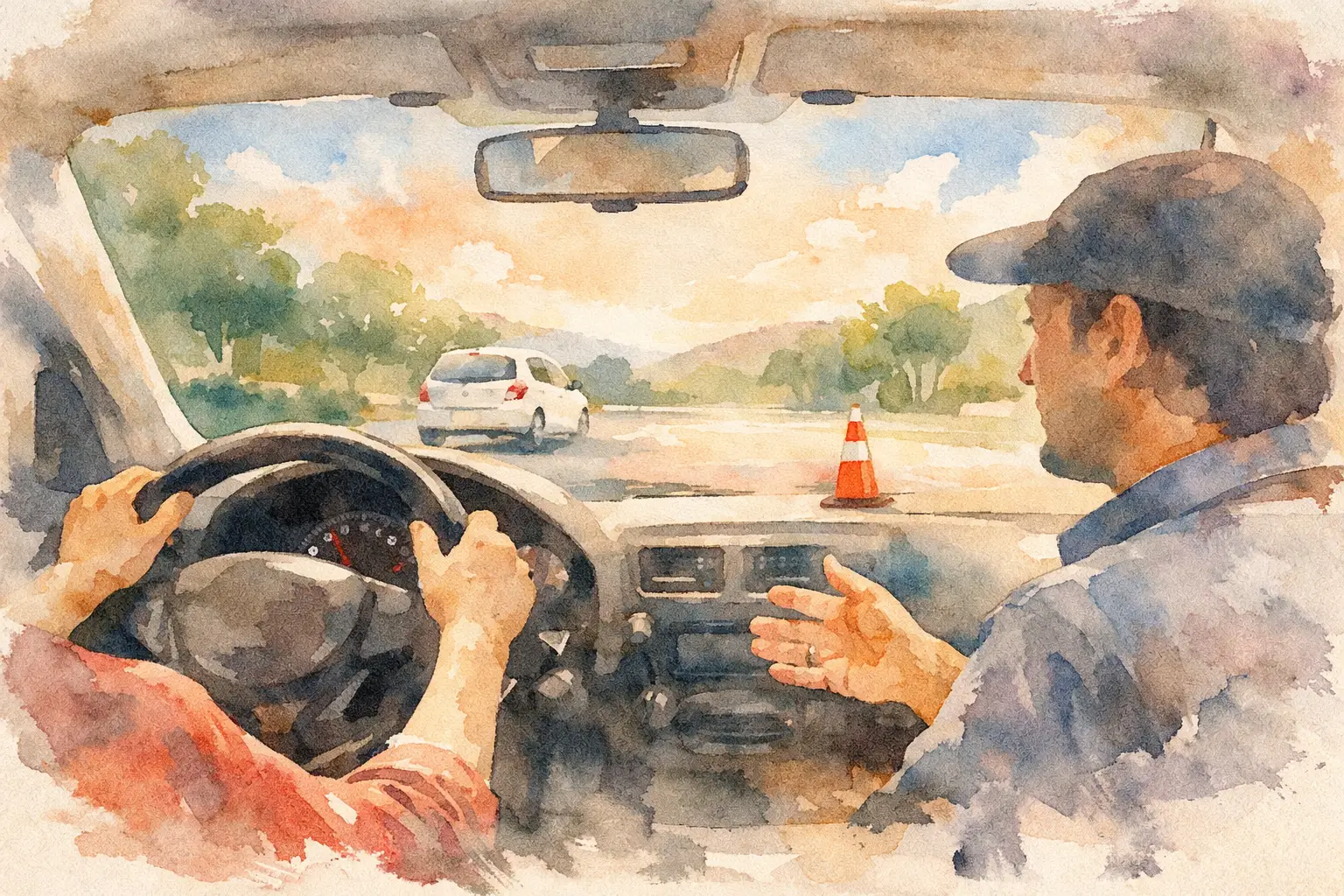
A low lesson price can feel like a win until a new driver finishes the session still unsure how to change lanes, judge a turn, or handle busy traffic. Cheap behind the wheel driving lessons should reduce the cost of learning without reducing the time, patience, and safety guidance a student needs to become road-ready.
For South Bay families, the best value is rarely the lowest number on an advertisement. It is instruction that gives a teen or adult clear progress, useful practice, and a realistic plan for meeting California licensing requirements. That can mean paying a little more per hour for a qualified instructor and needing fewer extra lessons later.
What “Cheap” Should Mean for Driving Lessons
Affordable driving instruction is not the same as bare-minimum instruction. A good program uses each lesson efficiently: the instructor explains the skill, demonstrates what matters, lets the student practice it repeatedly, and gives direct feedback before moving on.
The price of a lesson matters, but so do the details behind it. Ask whether the listed rate covers the full driving time, pickup and drop-off, use of the training vehicle, and the areas a student needs to practice. A lower price may not be a better deal if it includes a short session, requires travel across town, or leaves out the preparation needed for a DMV road test.
For many beginning drivers, a package can be more affordable than booking single lessons one at a time. Packages can create a consistent learning plan, help families budget ahead, and give the instructor time to build skills in the right order. The right choice still depends on the student. A confident teen who has practiced regularly with a parent may need a different amount of professional coaching than an adult beginner or a returning senior driver.
Cheap Behind-the-Wheel Driving Lessons Should Still Be Safe
Driving instruction is not a service where cutting corners pays off. California learners need professional training as part of the licensing process, and they also need practice that prepares them for the decisions that happen outside a test route. That includes checking mirrors before braking, spotting pedestrians near crosswalks, managing right-of-way questions, and staying calm when traffic gets unpredictable.
A capable instructor should adjust the pace without lowering the standard. Some students are ready for busier intersections after a few sessions. Others need more time with steering control, lane position, parking, or residential driving before moving into faster traffic. Patient instruction is especially valuable when a student is nervous, has had a long break from driving, or has learned habits that need correction.
A safe training vehicle and an instructor who is actively coaching are part of the value, too. Students should not feel rushed into situations they are unprepared to handle. At the same time, lessons should gradually move beyond empty parking lots. Real confidence comes from practicing controlled turns, traffic checks, lane changes, parking, and defensive driving in everyday conditions.
Compare the Total Cost, Not Just the Lesson Rate
Before choosing a school, compare what each option actually provides. It helps to write down the price, session length, and included services rather than relying on a headline rate alone. Four questions can reveal whether an affordable option is truly a good value:
- How many minutes of actual behind-the-wheel instruction are included in each lesson?
- Is the instructor licensed, experienced, and prepared to teach new or anxious drivers?
- Does the price include pickup and drop-off or use of a school vehicle for training?
- Is there a structured plan for California requirements and DMV road-test preparation?
Lesson timing also matters. Two-hour sessions can give a new driver enough time to warm up, practice a specific skill, receive feedback, and try again. Shorter sessions may work for a student who is building confidence, but they can spend too much time simply getting situated and reaching an appropriate practice area.
Parents should also consider the cost of uncertainty. If a teen takes lessons with no clear goals and arrives at the DMV still unsure about turns, parking, or observation, the family may end up paying for more practice, another test appointment, or a failed-test delay. A thoughtful plan can prevent that expense.
Use Professional Lessons and Home Practice Together
Professional instruction and supervised family practice serve different purposes. An instructor can teach correct technique, identify errors that a parent may not notice, and introduce skills in a measured sequence. Home practice gives the student more repetitions and helps turn those skills into habits.
That combination is often the most cost-effective approach. After a lesson on lane changes, for example, a parent can reinforce mirror checks, signaling, speed control, and looking over the shoulder during calm daytime drives. After a parking lesson, the student can repeat the same process in a low-pressure lot before attempting tighter spaces.
California teen drivers must complete required professional training and supervised practice before taking the road test. Families should verify the current DMV rules and make a plan early, rather than trying to schedule all driving practice near the permit deadline. Spacing lessons over several weeks or months gives students time to absorb feedback, practice between sessions, and return with specific questions.
For adult learners, the same principle applies. A student who can safely practice with a licensed adult may benefit from a few focused professional lessons followed by regular repetition. Someone with no access to a practice vehicle, significant driving anxiety, or a long gap since driving may reasonably need a more complete lesson package.
Look for Lessons Built Around Real Local Driving
A student in Torrance or the surrounding South Bay will eventually need to manage more than a quiet neighborhood street. Local driving can include wide multi-lane roads, freeway entrances, dense shopping areas, school zones, bike lanes, hills, coastal traffic, and intersections with frequent pedestrian activity.
That does not mean every beginning student should start on a busy boulevard. It means the instructor should build toward those conditions at the right time. A lesson plan might begin with vehicle controls and residential turns, then progress to traffic lights, lane changes, parking, and more complex routes as the student becomes consistent.
This local knowledge is also useful for DMV test preparation. The goal should never be to memorize a route. The goal is to demonstrate the habits an examiner expects anywhere: complete stops, safe speed choices, smooth turns, proper observation, lane control, and awareness of surrounding traffic.
Avoid the Bargain That Creates More Problems
Be cautious of offers that are vague about lesson length, instructor credentials, vehicle use, or cancellation policies. A school should be able to explain what a student will work on and how it supports licensing progress. Clear scheduling and straightforward package details are signs that the service is organized around the learner, not just the transaction.
It is also worth asking how the school handles a student who is struggling. The right response is not pressure or criticism. It is a calmer explanation, additional practice on the weak skill, and a revised pace that keeps the student safe while moving forward.
South Bay Driving School has served local learners since 1992, and that experience reflects a simple truth: confidence grows when students receive patient coaching, enough practice, and honest feedback. A lesson should leave a driver with one or two clear skills to keep practicing, not a vague feeling that they were simply driven around for an hour.
The most affordable path is the one that helps a learner become capable without wasting lessons or rushing readiness. Choose instruction that respects the budget, but also respects what is at stake every time a new driver takes the wheel.