
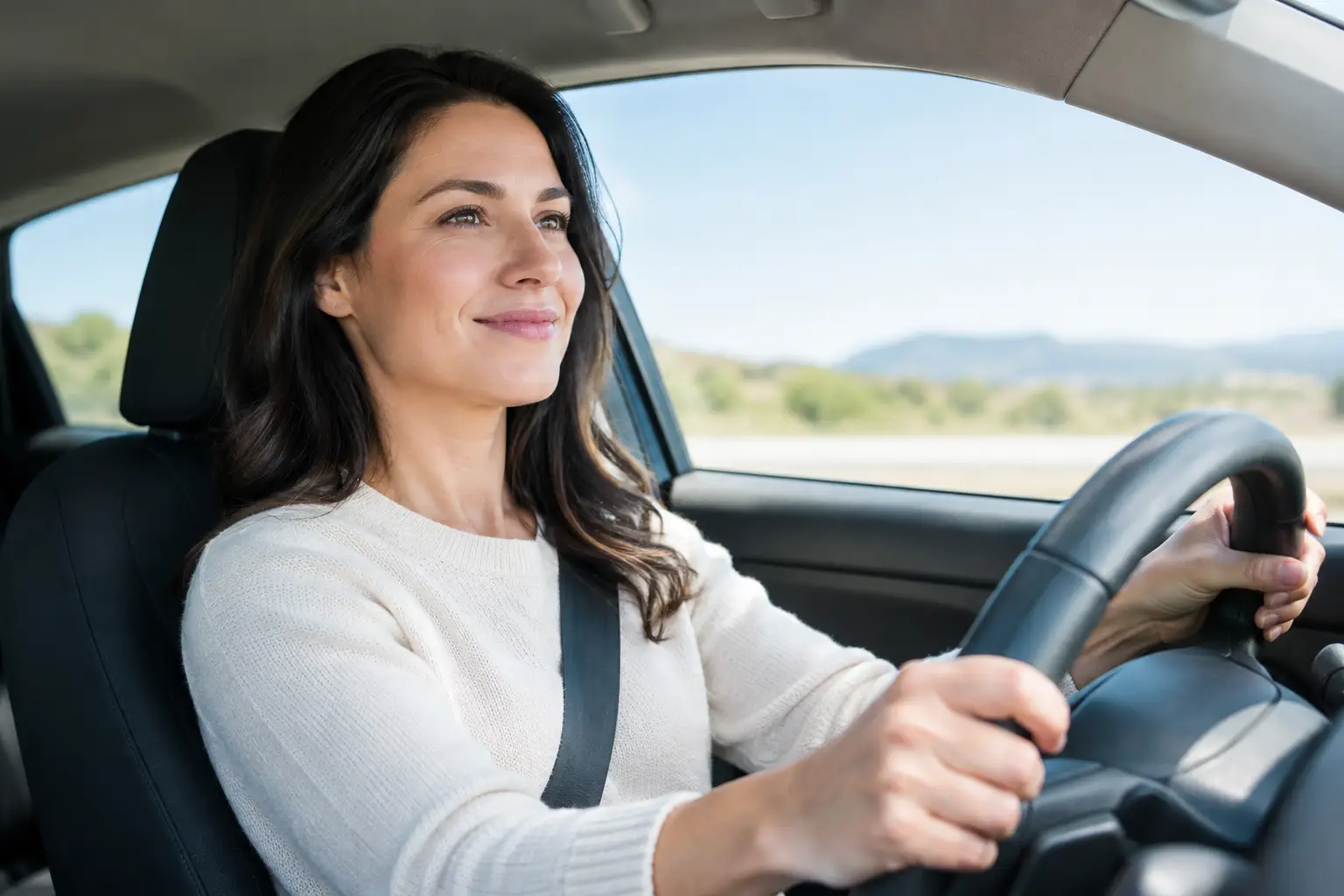
A license can stay in your wallet for years while driving confidence fades. Maybe you stopped driving after a move, an accident, a health change, or simply because someone else usually drove. Adult confidence recovery is not about forcing yourself onto the freeway before you are ready. It is about rebuilding the small, reliable habits that make each drive feel more predictable and safe.
For many returning drivers, the hardest part is not remembering how to steer or brake. It is managing the pressure of traffic, unfamiliar routes, quick decisions, and the feeling that other drivers are impatient. A patient, structured return to driving can replace that pressure with skills you can repeat on every trip.
Adult Confidence Recovery Starts With an Honest Baseline
Confidence improves faster when practice begins at the right level. Some adults have not driven in years but still remember the basic controls. Others may drive on quiet neighborhood streets yet avoid left turns, parking lots, freeways, or busy intersections. There is no advantage in pretending every situation feels the same.
Start by identifying what has changed since you last drove. You may be using a different type of vehicle, driving in a busier part of the South Bay, adjusting to new vision needs, or returning after a frightening experience. Naming the specific concern gives your practice a purpose.
A first refresher drive should be low pressure. Choose daylight, good weather, familiar streets, and a vehicle that is comfortable to operate. Before moving, take time to adjust the seat, mirrors, steering wheel, and climate controls. Review where the headlights, windshield wipers, turn signals, hazard lights, parking brake, and defroster are located. These details may seem basic, but knowing them without searching reduces stress when traffic is moving around you.
Build Control Before Adding Traffic
Returning drivers often judge themselves by the most difficult task they avoid. They may say, “I cannot drive,” when what they mean is, “I do not yet feel ready for a crowded freeway interchange.” Those are very different statements.
Begin with vehicle control in a calm setting. Practice smooth starts and stops, steady steering, proper lane position, turns, reversing, and checking mirrors before changing direction. Work on parking in an open lot before trying to fit into a tight space near a busy store or restaurant. Repetition matters because it lets your hands, feet, and eyes work together without taking all of your attention.
Then add ordinary neighborhood driving. Focus on complete stops, scanning intersections, yielding correctly, using turn signals early, and maintaining a safe following distance. A returning driver does not need to prove anything by moving too quickly through this stage. Good driving is quiet, observant, and controlled.
Use a Gradual Route Plan
A useful practice route has one new challenge at a time. For example, a first route may include residential streets and a few stop signs. The next may add a signalized intersection. Later practice can include multilane streets, a busy shopping area, night driving, or a freeway on-ramp.
This gradual approach is especially helpful in areas with changing traffic patterns, pedestrians, cyclists, school zones, and heavy coastal or commuter traffic. If a route feels overwhelming, simplify it and repeat it. The goal is not to avoid difficult roads forever. The goal is to arrive at difficult roads with enough practice that you can make calm, safe decisions.
Replace Avoidance With Specific Practice
Avoidance can feel like a solution because it provides immediate relief. If freeway driving makes you nervous, taking surface streets may seem easier. Sometimes that is the right choice, particularly during the first stages of returning to driving. But avoiding every challenging situation indefinitely can make the fear feel larger.
The better approach is to turn a broad worry into a narrow skill to practice. If merging is stressful, begin by reviewing mirror checks, shoulder checks, speed matching, and choosing a safe gap. If left turns are the concern, practice at a simple protected signal before attempting an unprotected turn on a busy road. If parking causes anxiety, spend time practicing the setup and reference points instead of waiting until you are holding up a line of cars.
Try to finish each practice session with a short review. Ask yourself what felt easier, what required the most attention, and what one skill you will repeat next time. Progress is often subtle. A drive that once required total concentration may eventually feel routine, even if you cannot point to the exact day it changed.
Calm Driving Depends on Good Observation
Nervous drivers sometimes stare at the vehicle directly ahead because they are afraid of missing something. That narrow focus can make traffic feel more sudden and unpredictable. Safe driving requires looking well ahead, checking mirrors regularly, and scanning for pedestrians, bicycles, motorcycles, cross traffic, and changing signals.
Give yourself more time and space than you think you need. Increase following distance when traffic is fast, visibility is poor, or roads are wet. Begin braking early and smoothly. Plan lane changes before the last moment. These habits are not signs of hesitation. They are signs that you are creating room to respond safely.
It also helps to reduce distractions before the car moves. Set the navigation route, silence unnecessary notifications, secure loose items, and decide where you are going to park if you are visiting an unfamiliar place. When the driving task gets demanding, you want your attention on the road rather than on a phone, bag, or confusing screen.
A Professional Lesson Can Provide a Safer Reset
Practicing with a supportive family member can be helpful, but it is not always the best fit. Family members may be anxious themselves, give too many instructions at once, or disagree about what safe driving looks like. A returning adult may also feel embarrassed receiving guidance from a spouse, child, or friend.
A professional instructor offers a neutral, structured setting. Lessons can focus on the areas that matter most to you, whether that is basic vehicle control, freeway entry, defensive driving, parking, or preparation for a California DMV road test. The instructor can observe habits that are difficult to notice from the driver’s seat and explain how to correct them without judgment.
South Bay Driving School works with adult beginners and returning drivers who need paced, personalized behind-the-wheel instruction. For someone who has been away from driving, even a few focused lessons can create a clear plan for independent practice. The right number of lessons depends on your prior experience, current comfort level, and the type of driving you need to do regularly.
When a Road Test Is Part of the Goal
Some adults return to driving because they need to take or retake a DMV drive test. Test preparation is useful, but it should not become a performance exercise that ignores real-world safety. The skills evaluated during a road test - mirror use, traffic checks, lane control, speed management, turning, backing, and safe decisions at intersections - are the same skills that protect you after the test.
Practice the full routine rather than memorizing one route. Before every drive, make adjustments, scan the area around the vehicle, and drive with deliberate observation. If you make a mistake, learn from it instead of allowing it to define the session. Most returning drivers improve through steady correction, not perfect drives.
Give Confidence Time to Become Real
Confidence is not the absence of nerves. It is the ability to notice nerves, use sound driving habits, and continue making safe choices. There may still be days when heavy traffic or an unfamiliar destination feels challenging. That does not erase your progress.
Keep your practice regular enough that skills stay familiar, even if each session is brief. Choose routes that match your current ability, then expand them one challenge at a time. With patient instruction, repetition, and a safety-first approach, driving can become less about worrying what might happen and more about knowing what to do when it does.