
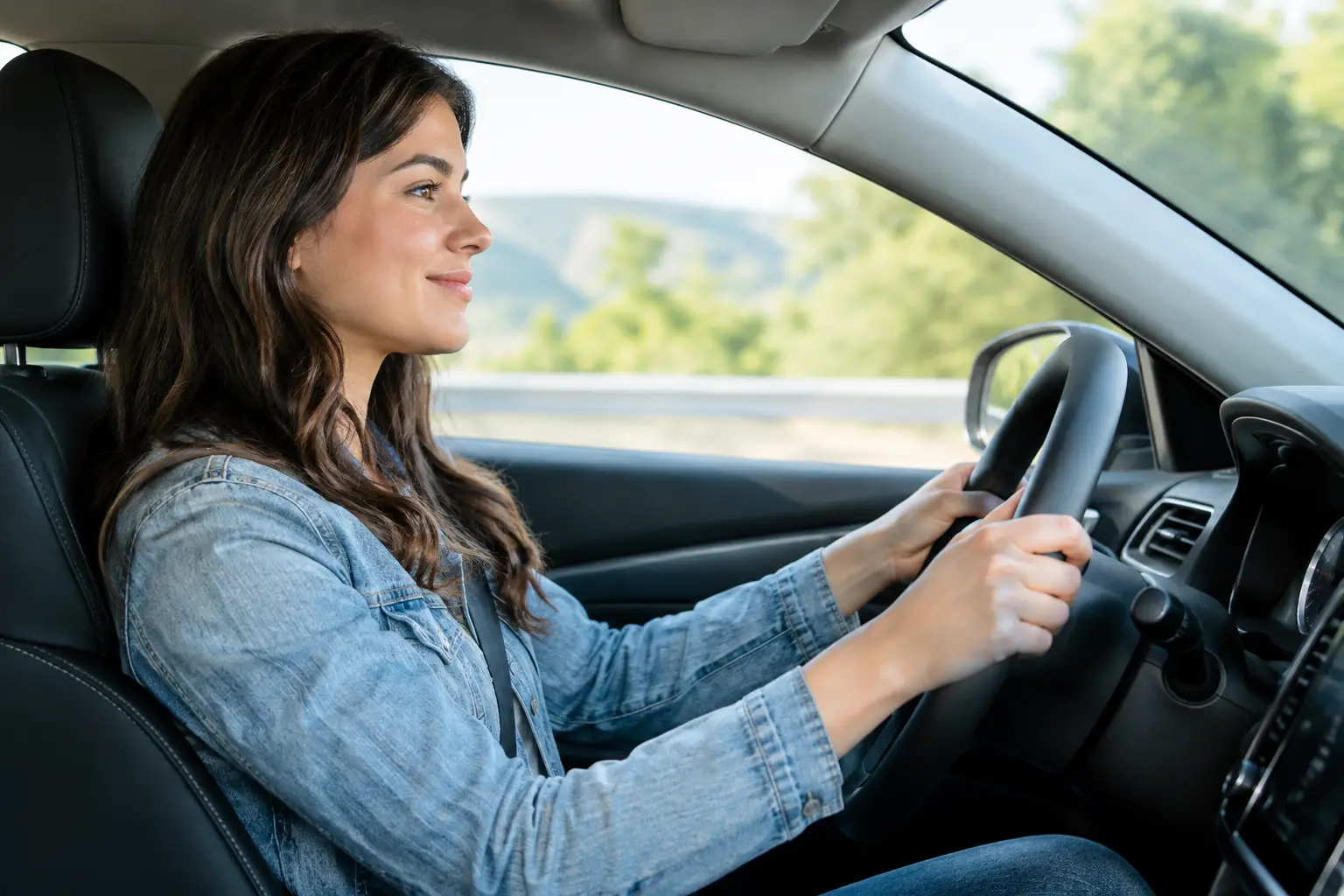
A new driver may be able to start a car, follow a map, and recognize a stop sign before their first lesson. The harder part of future driver education is helping that learner make calm, safe decisions when traffic compresses, a pedestrian steps off a curb, or another driver makes an unexpected move.
For teens and adults learning in the South Bay, driving instruction has to prepare them for more than a DMV road test. It must build judgment that holds up on busy streets, freeway ramps, neighborhood roads, parking lots, and changing conditions. Technology will continue to change the vehicles people drive, but the need for patient, focused instruction will remain.
What Future Driver Education Should Teach
The best driver education has always included the rules of the road, signs, right-of-way requirements, and the consequences of impaired or distracted driving. Those basics still matter. California learners need a clear understanding of what is expected before they can make good decisions behind the wheel.
But knowing a rule and applying it in traffic are different skills. A student may know that they should leave space between vehicles, for example, yet still follow too closely when traffic speeds up. They may understand that a crosswalk requires caution but fail to scan far enough ahead to notice someone approaching it.
Future-focused training connects knowledge to repeatable habits. Students learn to look ahead instead of only at the bumper in front of them, check mirrors with purpose, manage speed before a turn, and keep a safe space around the vehicle. These are not flashy skills, but they are the habits that give a driver time to respond.
Vehicle Control Comes Before Confidence
Confidence should not mean feeling fearless. It should mean knowing what to do next because the skill has been practiced enough times to feel familiar.
For a brand-new driver, that begins with seating position, mirror adjustment, smooth steering, braking, acceleration, and controlled turns. A student who is still struggling to maintain lane position should not be rushed into complicated freeway traffic. A returning adult driver may need to revisit those same fundamentals before tackling the situations that caused anxiety in the first place.
Paced instruction is especially valuable because learners do not all begin at the same point. Some teens have observed family driving for years and need help converting that exposure into safe practice. Others are nervous from the first time they sit in the driver's seat. Adult beginners, seniors, and manual-transmission students each bring different questions and different learning speeds.
Technology Changes the Car, Not the Driver's Responsibility
Many newer vehicles include backup cameras, blind-spot alerts, lane-support features, automatic emergency braking, and adaptive cruise control. These tools can help reduce risk when they are understood and used correctly. They can also create a false sense that the car will handle every problem.
A backup camera does not replace turning and checking the area around the vehicle. A blind-spot warning does not eliminate the need for a mirror check and a shoulder check. Lane-support systems may provide steering assistance, but they cannot judge every road surface, construction zone, cyclist, or sudden obstacle as well as an attentive human driver needs to.
Driver education should explain what safety features do, where their limits are, and how to stay engaged while using them. This is particularly relevant for families sharing vehicles with different levels of technology. A teen might practice in a newer car but later drive an older family vehicle without the same alerts. Good habits need to work in both.
Electric vehicles also bring practical differences, including quiet operation at low speeds, strong acceleration, and regenerative braking that can feel unfamiliar. The fundamental rules do not change, but learners benefit from understanding how the particular vehicle responds. Instruction should always account for the car a student will actually use after licensing.
Digital Learning Has a Place
Online driver education makes it easier for busy students to complete required coursework around school, sports, work, and family schedules. It can present traffic laws, visual examples, and knowledge checks in a format learners can revisit as needed.
Still, an online course cannot feel the timing of a brake pedal or coach a student through a left turn across traffic. It cannot observe whether a driver is scanning an intersection or staring at one point ahead. Digital education is most useful when it prepares students for the coaching and real-world practice that follows.
The trade-off is simple: technology can make learning more accessible, but it should not make training less personal. Behind-the-wheel instruction remains where an experienced instructor can correct small issues before they become permanent habits.
Real Roads Build Real Decision-Making
A controlled parking lot is a good place to start. It gives new drivers space to learn steering, braking, backing, and parking without being overwhelmed. But safe drivers also need gradual exposure to the situations they will encounter after receiving a license.
In the greater Torrance and South Bay area, that may include wide multi-lane streets, school zones, busy commercial areas, residential neighborhoods, freeway entrances, and roads shared with cyclists and pedestrians. Each setting asks a driver to process different information. The goal is not to expose students to every challenge immediately. It is to introduce challenges in a logical order, with guidance that matches the student's readiness.
A lesson might begin with quiet streets, move to turns and lane changes, then add more complex intersections and traffic flow. Later, a student can practice parking, freeway merging, route planning, and DMV test maneuvers. Repetition matters because a driver who performs a maneuver once is not necessarily ready to perform it safely when conditions are less predictable.
At South Bay Driving School, personalized behind-the-wheel lessons can help students build this progression at a pace that supports learning instead of adding pressure. The objective is not simply to complete hours. It is to make each hour count toward safer, more independent driving.
DMV Preparation Should Support Road Readiness
Passing the California DMV drive test is an important milestone, and focused preparation can reduce the stress surrounding it. Students should know how to perform required maneuvers, follow directions, make safe stops, observe properly, and show consistent vehicle control.
However, teaching only to the test is too narrow. A driver may pass an exam on a familiar route yet still be unsure how to merge onto a freeway, drive at night, handle rain, or navigate a crowded parking lot. Test preparation works best when it builds on sound habits rather than replacing them.
A useful final phase of instruction reviews the test standards while identifying any remaining weak points. Maybe a student needs smoother braking, more consistent mirror checks, better speed control, or more practice judging gaps before turns. Addressing those details early can improve test performance and, more importantly, prepare the student for the first solo trips that follow.
How Parents Can Support Safer Learning
Parents and guardians have an important role after professional lessons end. The most helpful approach is calm, consistent practice in conditions that match the learner's current ability. A student who has just learned basic turns may benefit more from a short, low-pressure neighborhood drive than from a difficult rush-hour trip.
It also helps to agree on one or two goals before each practice drive. For example, a learner might focus on maintaining following distance and making complete stops. Too many corrections at once can make a nervous driver shut down. Specific feedback after the drive tends to be more useful than criticism in the moment, unless there is an immediate safety issue.
Families should also model the behavior they expect to see. That means putting phones away, avoiding aggressive reactions, wearing seat belts, and treating every trip as a responsibility rather than a race. New drivers learn from instruction, but they also learn from the people riding beside them every day.
The future of driver education will include smarter vehicles and more flexible ways to study, but its purpose stays grounded: help people recognize risk, stay attentive, and make safe choices with others on the road in mind. For a new driver, every patient practice session is one more chance to turn uncertainty into a habit they can rely on.