
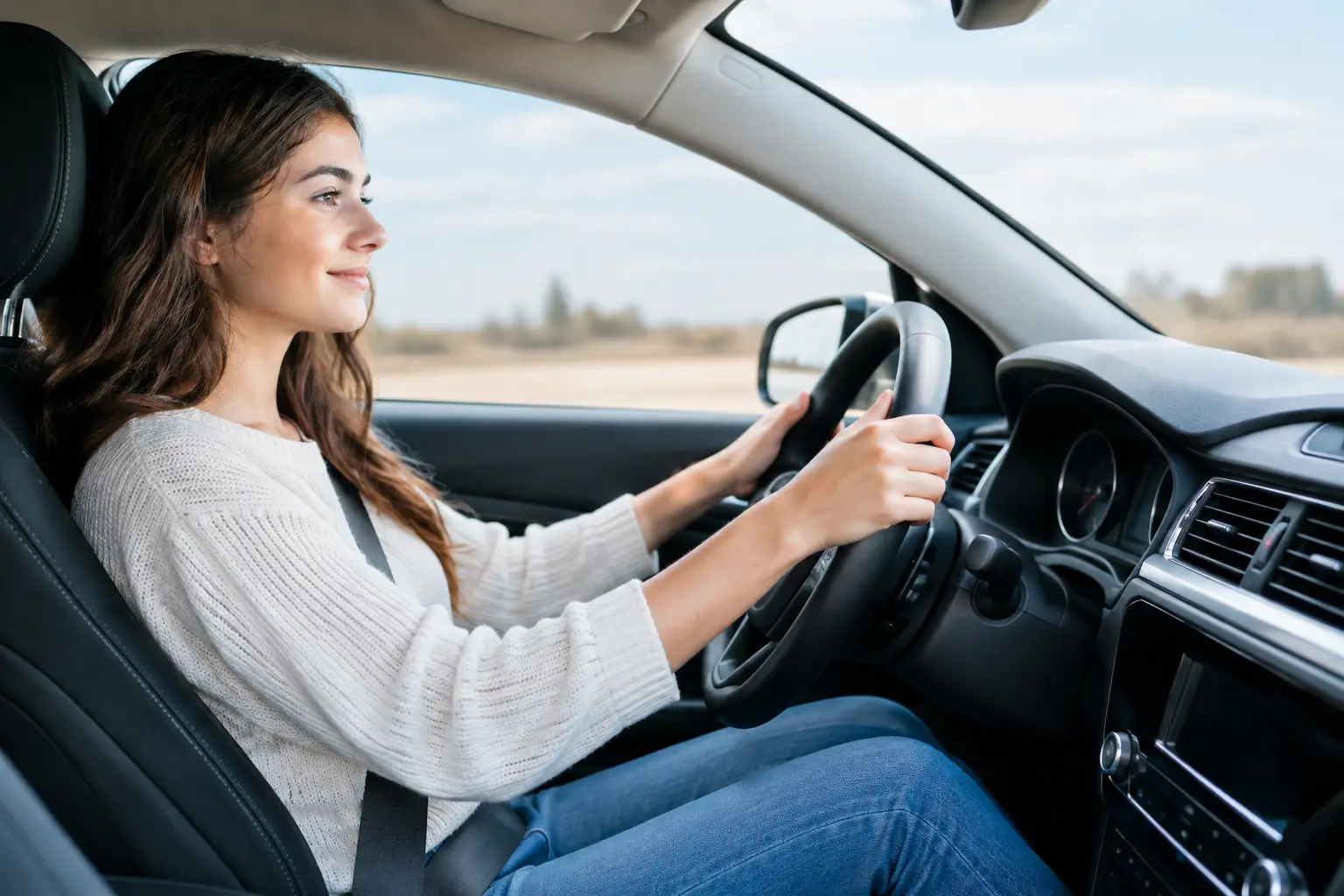
A backup camera can make parking less intimidating. A navigation app can help a student plan an unfamiliar route. But road testing technology does not steer, scan intersections, or make careful decisions for a new driver. For teens, adults, and returning drivers preparing for a California DMV test, technology works best as a support for good habits, not a replacement for them.
That distinction matters because the skills that make someone test-ready are also the skills that protect them after they earn a license: checking mirrors, managing speed, anticipating other road users, and staying focused when conditions change. A thoughtful approach to technology can build confidence without creating shortcuts that fall apart under pressure.
What Road Testing Technology Means for Learners
The phrase road testing technology can describe several different things. Some tools are built into the vehicle, such as backup cameras, parking sensors, blind-spot alerts, automatic emergency braking, and lane-support features. Others are tools a learner uses before or during practice, including route planning, practice-test apps, dash cameras, and digital scheduling or lesson records.
Each can have a useful role. A backup camera can help a student understand the space behind the car. Navigation can reduce the stress of finding a destination during a supervised practice drive. A dash camera may help an instructor or parent review situations that felt confusing in the moment.
Still, technology has limits. Sensor warnings can be delayed, blocked by rain or dirt, or unable to recognize every hazard. Navigation directions do not account for every construction zone, pedestrian, cyclist, or sudden traffic backup. The driver remains responsible for observing the road and controlling the vehicle.
For DMV test preparation, that responsibility is especially clear. Students should be ready to perform required maneuvers safely, follow the examiner's directions, and demonstrate awareness without relying on a device to tell them what to do next.
Vehicle Features That Help - and Where They Can Hurt
Modern safety features are valuable, particularly when drivers understand what they are designed to do. The key is learning the underlying skill first.
Backup cameras and parking sensors
A backup camera gives a useful view of the area directly behind a vehicle, where a driver may not otherwise see a low object or small child. Parking sensors can provide another warning when an object is close. These features are helpful for awareness, but they do not eliminate the need to turn and look behind the vehicle when backing.
During driving instruction, students should practice setting up for a backing maneuver, checking mirrors, looking over the appropriate shoulder, and moving slowly enough to respond. The camera is an additional source of information, not the only source.
Blind-spot alerts
A blind-spot monitoring system may illuminate an indicator when another vehicle is beside or behind the car. That can reinforce a student driver's understanding that nearby traffic changes quickly. It should never replace a shoulder check before changing lanes, pulling away from a curb, or merging.
A light in a mirror cannot always tell a driver whether there is enough room to move, whether another vehicle is accelerating, or whether a motorcycle is approaching. Safe lane changes still start with mirrors, a signal, a visual check, and a smooth decision based on actual traffic conditions.
Lane-support and automatic braking systems
Lane-departure warnings, lane-keeping assistance, and automatic emergency braking are designed to reduce risk in specific circumstances. They can be helpful safety nets, but they are not self-driving tools. Lane markings may be faded, blocked, or difficult to detect in bright sun, rain, or construction areas. Automatic braking may not react the same way in every situation.
For a learner, these systems can sometimes create false confidence. A student who expects the car to correct every drift may stop paying close attention to steering position and lane placement. Good instruction focuses on looking far ahead, maintaining a steady path, and keeping both hands ready to control the vehicle.
Navigation and phone connectivity
Navigation is often useful before a practice drive. It can help a new driver become familiar with a destination, estimate travel time, and avoid last-minute rushing. Once the vehicle is moving, though, interacting with a phone creates distraction. Even hands-free conversations or voice prompts can pull attention away from complex traffic situations.
Before a DMV road test, students should know how to secure or silence their phone and focus fully on the examiner's instructions. A missed turn is never as serious as a missed pedestrian, stop sign, or changing traffic light.
Preparing for the DMV Without Relying on Shortcuts
A road test is not a test of whether a driver owns the newest vehicle. It is an evaluation of safe, legal, controlled driving. A student may take the test in a vehicle with newer features or a basic vehicle, but the preparation should remain the same.
Start by learning the vehicle before test day. Know how to adjust the seat, mirrors, head restraint, and steering wheel position. Locate the turn signals, headlights, windshield wipers, defroster, parking brake, and hazard lights. If the car has a backup camera or other driver-assistance features, understand what they show and what they do not show.
Then practice the skills that require judgment. This includes approaching intersections at an appropriate speed, coming to complete stops, recognizing right-of-way situations, making controlled turns, checking for pedestrians in crosswalks, changing lanes safely, and backing with awareness. These are repeatable skills, but they need practice in real traffic conditions.
It also helps to practice in a variety of settings. A quiet residential street is a good place to begin, but it cannot fully prepare a driver for a busy commercial area, a multi-lane road, a school-zone crossing, or a tight parking situation. South Bay drivers may encounter beach traffic, narrow neighborhood streets, busy intersections, and changing visibility near coastal conditions. Building experience gradually helps students remain calm when a drive is less predictable.
Technology Can Support Better Practice
Used thoughtfully, digital tools can make practice more organized. A family can use a shared calendar to schedule consistent drives instead of waiting for a free afternoon. A simple practice log can track time spent on turns, lane changes, parking, freeway entries, and night driving. Reviewing progress helps a student see that confidence is built through repetition, not one perfect lesson.
A parent can also use mapping tools before practice to choose routes that match the learner's current ability. Early sessions may focus on low-speed residential streets. As the student improves, practice can include busier intersections, unfamiliar routes, and parking areas. The goal is not to avoid challenging conditions forever. It is to introduce them at a pace that allows the student to learn safely.
Dash cameras can be useful for review when used responsibly. If a student struggled with a particular situation, such as judging a left turn or maintaining lane position, a brief review after the drive can lead to a productive conversation. The camera should never become a reason to criticize every small mistake. New drivers need clear feedback, patience, and room to improve.
The Best Technology Is an Attentive Driver
The strongest safety system in any vehicle is still an engaged driver who looks ahead, leaves space, follows traffic laws, and expects the unexpected. Technology can provide alerts and extra visibility, but it cannot replace visual scanning, sound judgment, or a calm response to changing conditions.
Professional behind-the-wheel lessons give students a place to practice those habits with guidance tailored to their experience level. For a nervous teen, that may mean building comfort with basic vehicle control before moving into heavier traffic. For an adult returning to driving, it may mean relearning current road rules while becoming familiar with newer vehicle features. For a senior driver, it may mean practicing at a comfortable pace and identifying adjustments that improve visibility and control.
Before test day, use technology to prepare, not to depend on. Adjust the mirrors, put the phone away, understand the vehicle, and give full attention to the road. Confidence grows when a driver knows they can make safe decisions even when no alert sounds and no screen has the answer.