
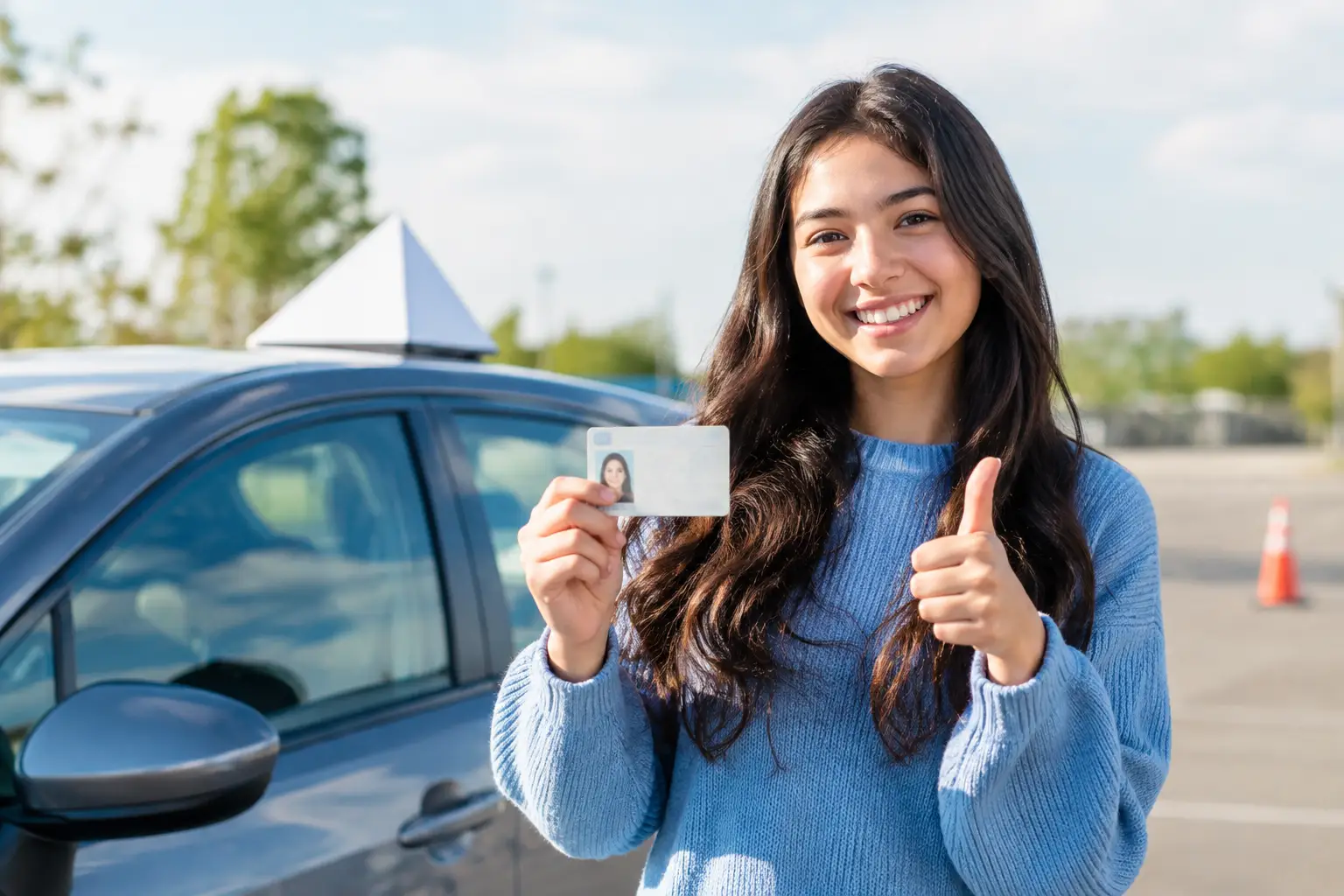
A learner permit is not the finish line. It is the point where a new driver begins making hundreds of small decisions: when to brake, where to look, how much space to leave, and how to stay calm when traffic does not go as planned. The most useful new driver milestones are not just documents or test dates. They are practical signs that a student can make safe choices consistently.
For teens and families in the South Bay, a clear progression helps replace last-minute road-test stress with steady preparation. Adult beginners and returning drivers benefit from the same approach. Progress is easier to see when lessons are built around skills, not simply hours behind the wheel.
The New Driver Milestones That Build Real Confidence
Every driver learns at a different pace. A student who is comfortable steering may need more work with scanning intersections. Another may park well but become anxious when changing lanes on a busy boulevard. The goal is not to rush past a milestone because a calendar says it is time. It is to build the judgment needed for the next stage.
1. Understanding the rules before driving in traffic
The first milestone is completing driver education and preparing for the California knowledge test. This stage gives a new driver the vocabulary and decision-making framework for the road: right-of-way rules, traffic signs, speed management, distracted-driving laws, and the consequences of unsafe choices.
Passing a written test matters, but memorizing answers is not enough. A student should be able to explain why they would yield, what a solid yellow line means, and how to respond to a pedestrian near a crosswalk. Online driver education can make this stage more flexible, especially for students balancing school, activities, and family schedules. The important part is allowing enough time to understand the material rather than clicking through it.
2. Getting comfortable with basic vehicle control
A permit allows supervised practice, but the first drives should be simple and structured. Before entering heavier traffic, a new driver should be able to adjust the seat, mirrors, and steering wheel; locate the controls; start and stop smoothly; steer through turns; and maintain a steady position within the lane.
A quiet residential street or open parking area can be a useful starting place. It gives the student room to focus on steering, braking pressure, and looking far ahead without also managing fast-moving traffic. This early work may seem basic, but rushed vehicle control often shows up later as hard braking, wide turns, or hesitation at intersections.
For a student learning a manual transmission, this stage takes additional patience. Coordinating the clutch, accelerator, and gear changes creates a separate learning curve. It is usually better to practice these fundamentals in a low-pressure setting before adding hills, dense traffic, or complicated intersections.
3. Completing professional behind-the-wheel instruction
For California teens, required professional driving instruction is an important licensing step. More importantly, it gives students feedback from an instructor who can spot habits a parent or guardian may not notice: late mirror checks, drifting attention, rushed turns, or stopping too close to the vehicle ahead.
Private lessons should build one skill on top of another. A beginning lesson may focus on turns, stops, and lane position. Later lessons can introduce busier roads, left turns at controlled intersections, lane changes, parking, and freeway entries when the student is ready.
This is also where personalized instruction matters. Nervous drivers often do better with calm repetition and clear, short coaching. Students who pick up basic control quickly may need more emphasis on judgment, anticipation, and the responsibility that comes with driving independently. Neither approach is a shortcut. Both are part of safe training.
4. Building supervised practice into a routine
Professional lessons and family practice serve different purposes. An instructor provides structured coaching; supervised practice gives a learner the repetition needed to make safe habits more automatic. California licensing requirements for minors include a specified period of permit holding and supervised practice hours, including nighttime driving. Families should always verify current requirements with the California DMV before scheduling the road test.
The strongest practice plans do not save everything for one long weekend. Short, regular drives expose students to more conditions and make it easier to revisit a skill before frustration builds. A student might practice neighborhood turns one day, parking another day, and route planning on a weekend drive.
Variety matters. A driver who has only practiced on quiet streets may feel unprepared on Pacific Coast Highway, near a busy shopping center, or at a multi-lane intersection. At the same time, more challenging roads should be introduced gradually. Throwing an anxious beginner into heavy traffic too early can reduce confidence without improving skill.
Parents can help most by giving directions early and keeping feedback specific. “Check your mirror before moving right” is more useful than “Be careful.” After the drive, discuss one or two things that went well and one skill to practice next time. The car is not the place for a lecture after every mistake. Calm reflection helps a learner return to the next drive ready to improve.
Milestones Before the California Road Test
A DMV appointment should be scheduled when the student demonstrates consistency, not just when they have completed the minimum requirements. A road test checks whether a driver can operate safely in real traffic while following instructions. It does not require perfection, but it does require sound habits under pressure.
Can the driver manage the full routine?
Before the test, a student should be able to complete the driving routine without frequent reminders: adjusting mirrors, using signals at the right time, checking traffic before pulling away, maintaining appropriate speed, making complete stops, and checking mirrors before braking or changing direction.
They should also be able to handle common test tasks such as backing in a straight line, parking near a curb where permitted, turning safely at intersections, changing lanes with a full traffic check, and responding appropriately to other road users. The exact route will vary, so practicing a memorized route is less valuable than practicing repeatable habits.
Can the driver recover from an imperfect moment?
A confident new driver is not someone who never makes a small error. It is someone who notices the error, corrects it safely, and stays focused. Missing a turn, for example, is not a reason to make a sudden lane change. The safe response is to continue forward and follow the next legal opportunity.
This recovery skill is especially valuable for nervous test-takers. A single awkward turn does not automatically determine the outcome. Panic, rushing, or trying to “fix” a mistake with an unsafe move can create a larger problem. Road-test preparation should include practicing calm decision-making when something unexpected happens.
Is the test vehicle ready?
A student can be well prepared and still face trouble if the vehicle is not roadworthy or its documents are incomplete. Before the appointment, confirm that the vehicle is properly insured and registered, that lights and signals work, tires are in good condition, mirrors are usable, and the windshield provides a clear view. Bring the required paperwork and arrive with enough time to settle in.
A DMV drive-test support option can be helpful for families who need an appropriate vehicle or want the reassurance of a final professional review. It is not a replacement for practice, but it can remove avoidable logistical pressure on test day.
After the License: The Most Important Milestone
Receiving a license changes a new driver’s responsibilities, but it does not end the learning process. The first months of independent driving are when judgment becomes a daily habit. California’s provisional-license restrictions for younger drivers are designed to reduce high-risk situations during this period, and families should review the current rules together.
Keep early independent trips manageable. Driving familiar routes in daylight, leaving extra time, limiting distractions, and checking conditions before leaving all support better choices. As confidence grows, new experiences can be added gradually: driving in rain, navigating freeway traffic, carrying passengers when legally permitted, or driving in unfamiliar areas.
South Bay Driving School has seen over decades of instruction that the best new drivers are not necessarily the ones who learn fastest. They are the ones who stay teachable, practice deliberately, and understand that patience is a driving skill. Each safe trip after the road test is another chance to strengthen the habits that protect the driver, their passengers, and everyone sharing the road.