
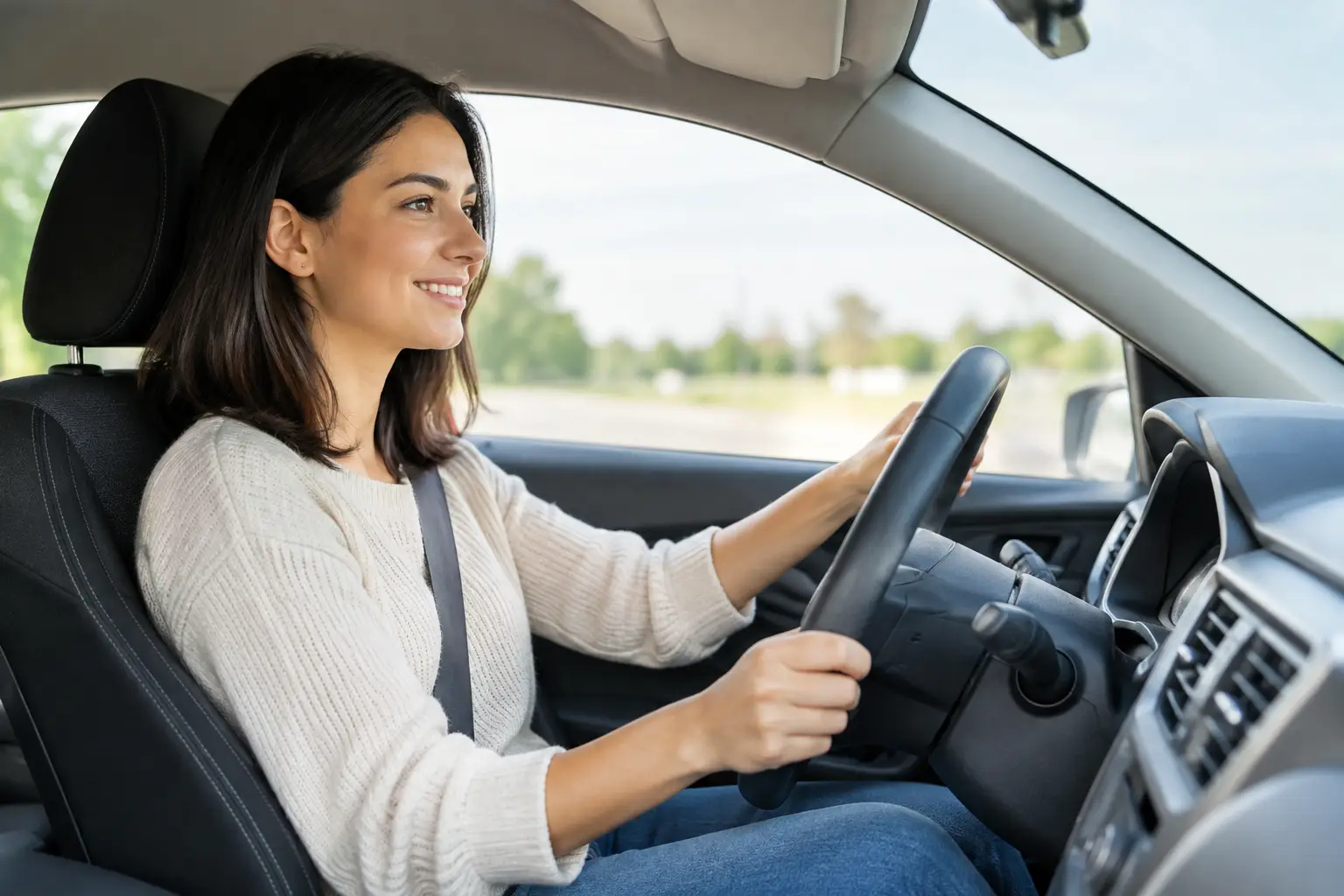
The first time you pull away from a curb, there is a lot to manage at once: mirrors, steering, speed, traffic, signs, and the worry of making a mistake. That is why adult beginner driving should not be rushed. A patient, structured approach gives new drivers time to understand the vehicle, make safe decisions, and develop confidence one successful skill at a time.
Many adults put off learning because they feel embarrassed to start later than friends or family members. There is no deadline for becoming a licensed driver. Whether you are learning for work, family responsibilities, independence, or simply the freedom to get around the South Bay more easily, the right instruction can make the process feel practical rather than overwhelming.
Why Adult Beginner Driving Needs a Personal Pace
Adult students often learn differently from teenagers. Some have spent years riding with other drivers and understand traffic flow, but have never operated a car. Others have driven in another country, held a license years ago, or had an earlier experience that made them nervous about getting back behind the wheel.
A good lesson plan starts with where you are now, not where someone thinks you should be. For a complete beginner, that may mean learning the purpose of each control before the car moves. You may begin in a low-traffic area, practicing smooth starts, stops, turns, and steering. As those actions become more natural, lessons can progress to busier streets, lane changes, intersections, parking, and freeway driving when appropriate.
This gradual progression matters because confidence should come from repeatable skills, not from being pushed into a situation before you are ready. Nervousness is common, especially during the first few lessons. The goal is not to eliminate every concern immediately. It is to replace uncertainty with clear routines: scan ahead, check mirrors, signal early, control your speed, and leave enough space to respond safely.
Start With the California Licensing Steps
For most adult beginners in California, the first formal step is studying for the knowledge test and obtaining an instruction permit. The permit allows you to practice driving legally while supervised by a qualified licensed driver. California DMV rules, documentation requirements, and testing procedures can change, so confirm the current requirements directly with the DMV before scheduling your visit.
Online driver education can be a useful starting point because it gives you time to study road signs, right-of-way rules, speed laws, and defensive-driving principles before your first behind-the-wheel lesson. It also helps you recognize that the written test is not just a hurdle. Those rules are the foundation for decisions you will make every time you drive.
Adults are not always required to complete the same professional behind-the-wheel training hours as teen drivers, but professional lessons can still be extremely valuable. A family member may be well intentioned, yet may not know how to explain a skill in a calm, consistent way. An experienced instructor can identify small habits early, such as braking too late, looking too close to the hood, or turning the wheel too sharply, before they become harder to correct.
What Your First Driving Lessons Should Cover
The first lesson is about control and comfort, not showing off. Before driving into regular traffic, you should learn how to adjust the seat, steering wheel, mirrors, and head restraint so that you can see clearly and reach the pedals comfortably. You should also understand the dashboard controls, windshield wipers, headlights, turn signals, parking brake, and gear selector.
From there, the basic driving sequence becomes the focus. You will practice checking for hazards before moving, accelerating gently, maintaining a steady lane position, braking smoothly, and stopping in the correct position at signs and signals. These actions seem simple when watching someone else drive, but they require coordination and attention when you are responsible for the vehicle.
A patient instructor will explain the reason behind each step. For example, checking mirrors is not a quick glance performed because an instructor asked for it. It is how you build awareness of what is happening around your vehicle. Signaling is not just a test requirement. It gives other road users time to understand your intended movement.
As your skills improve, lessons should include real situations you are likely to encounter. In Torrance and surrounding communities, that may include wide multi-lane roads, busy shopping-center parking lots, school zones, right turns on red when permitted and safe, and intersections with pedestrians and cyclists. The best practice is relevant practice.
Build Safe Practice Between Lessons
Driving lessons are most effective when you have opportunities to practice the same skills between sessions. Short, focused practice drives are usually better than long drives that leave you tired or overloaded. Rather than trying to cover every skill in one outing, choose one or two goals, such as smooth braking and controlled right turns.
Practice should also be planned around conditions. A quiet residential street may be a suitable setting for early vehicle-control work, while a crowded commercial area may be better once you can maintain speed, scan intersections, and make safe lane decisions. Rain, darkness, and heavy traffic add useful experience later, but they are not the best place to begin.
If you practice with a family member or friend, agree on how feedback will be given before the car starts moving. Too many instructions at once can increase stress. It helps when the supervising driver gives directions early, uses a calm voice, and saves non-urgent discussion for after you have parked. The driver needs time to process traffic, not time to defend every decision.
Prepare for the DMV Road Test With Purpose
The DMV drive test evaluates whether you can operate a vehicle safely and follow traffic laws. It is not designed to reward perfect parking or flawless nerves. Examiners look for observation, control, safe speed, proper turns, lane changes, stopping procedures, and overall judgment.
Road-test preparation should include the skills that commonly create pressure for new drivers: backing in a straight line, curb parking, turning at intersections, scanning before lane changes, and handling unprotected situations without rushing. The exact test route can vary, so relying on memorization is less useful than learning a dependable decision-making process.
Before test day, make sure you understand the vehicle you will use. Know where the defroster, headlights, turn signals, and parking brake are located. Confirm that the vehicle is in safe operating condition and that you have the required documents. A practice lesson in the same type of vehicle can also help reduce one more unfamiliar variable.
At South Bay Driving School, adult lessons can be paced around the skills you need most, whether that means starting from zero, refreshing previous experience, or preparing for a DMV drive test. The point is not to force every adult into the same package or timeline. It is to create enough structured practice for safe, independent driving.
Know When You Are Ready for More
Progress is not measured only by how quickly you schedule a road test. You are becoming ready for independent driving when basic tasks require less conscious effort and you can keep your attention on the full driving environment. You should be able to follow directions while still checking mirrors, noticing pedestrians, managing your speed, and responding calmly when traffic changes.
There will still be situations that feel new after you earn your license. That is normal. Experienced drivers continue to adjust to unfamiliar routes, weather, construction, and heavier traffic. The difference is that a prepared beginner has the habits needed to slow down, observe, and make a safe choice instead of reacting in panic.
You do not need to become fearless before you begin. You only need a safe place to start, clear instruction, and enough time to turn careful practice into a skill you can rely on.