
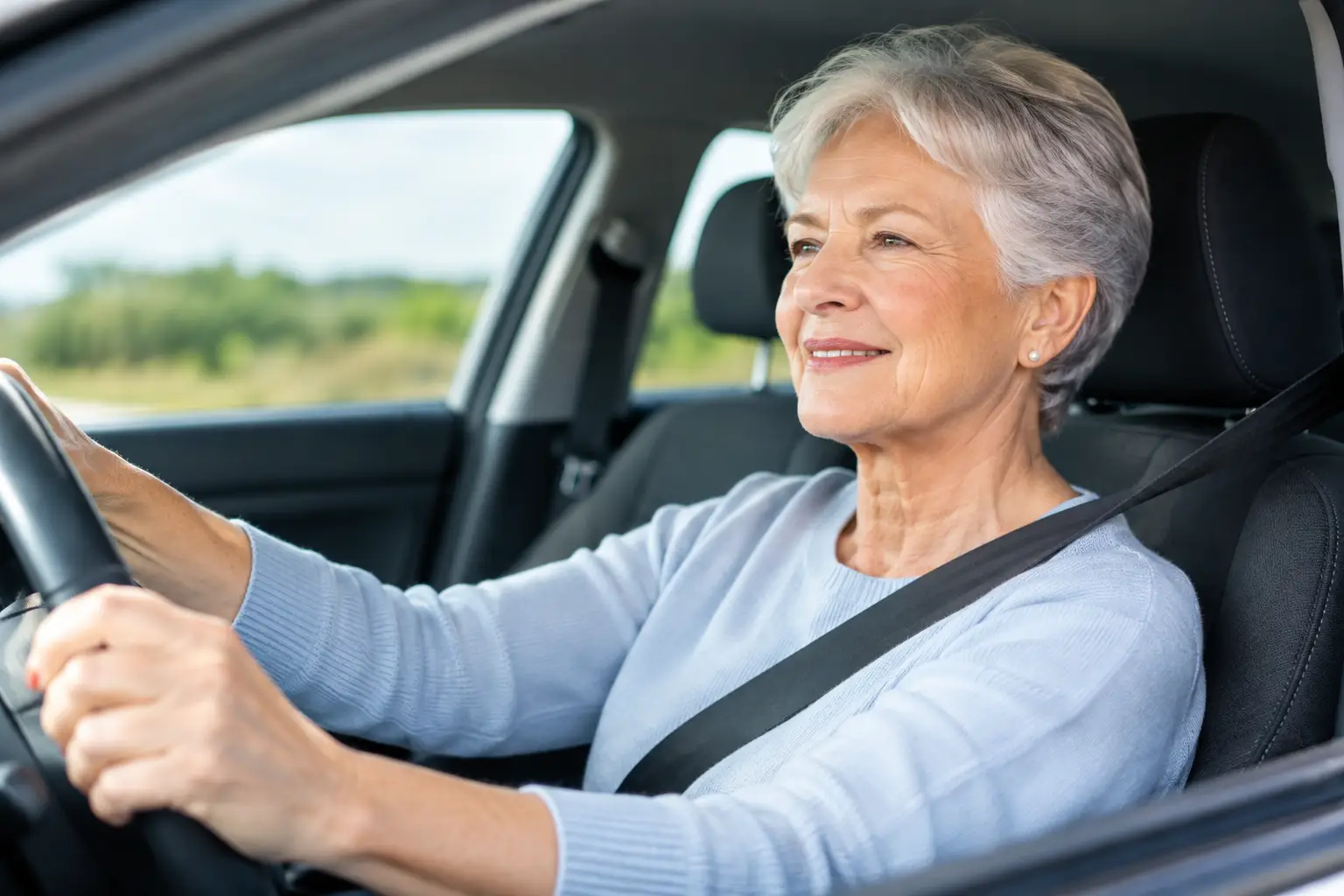
A left turn across busy traffic, a freeway merge near an unfamiliar exit, or a sudden change in nighttime glare can make even experienced drivers feel less certain. So, can seniors improve driving skills? Yes. With an honest look at current habits, the right adjustments, and patient practice, many older drivers can become more confident and safer behind the wheel.
Driving skill is not fixed at the age someone first earned a license. Years of experience can bring excellent judgment, patience, and awareness of road conditions. At the same time, changes in vision, flexibility, reaction time, or confidence may call for a different approach than the one a driver used decades ago. Improving does not mean pretending those changes are not happening. It means responding to them wisely.
Can Seniors Improve Driving Skills With Practice?
They can, especially when practice has a clear purpose. Simply driving the same familiar route every week may maintain routine, but it may not address the situations that have become difficult. Focused practice can rebuild skills such as judging gaps in traffic, checking blind spots, parking, controlling speed, and planning ahead at complex intersections.
The most productive practice is gradual. A driver who feels uneasy on the freeway does not need to begin with rush-hour traffic. Start with a quieter time of day, a familiar entrance and exit, and a goal of practicing lane position, mirror checks, and safe following distance. Confidence grows from repeated success, not from being pushed into a stressful situation too soon.
A professional refresher lesson can be especially useful because it provides calm, specific feedback. Family members often mean well, but coaching from the passenger seat can become emotional or vague. An experienced instructor can identify which habits remain strong, which need attention, and how to practice them safely.
Start With the Foundations of Safe Driving
Before changing driving habits, make sure the driver, vehicle, and driving environment support safe decisions. Small changes can reduce strain and make a noticeable difference in control.
Check vision, hearing, and medication effects
Regular eye exams matter because driving relies on more than reading signs. Drivers need to notice movement at the sides of the road, judge distance, recognize pedestrians in lower light, and recover from glare. If glasses are prescribed for driving, they should be worn consistently and kept clean.
Hearing also helps drivers notice sirens, horns, rail crossings, and changes in vehicle sounds. A hearing concern does not automatically mean someone must stop driving, but it may mean relying even more carefully on mirrors and visual scanning.
Some medications, including certain sleep aids, pain medicines, and medications that affect blood pressure, can cause drowsiness, dizziness, or slower reactions. A doctor or pharmacist can explain whether a medication may affect driving and whether the timing of a dose matters. Never stop or change a prescribed medication without medical guidance.
Set up the vehicle for comfort and control
A good seating position supports safer steering and braking. The driver should be able to press the brake pedal firmly without stretching, sit high enough to see the road clearly, and keep a comfortable bend in the elbows while holding the wheel. Mirrors should be adjusted before moving, not while in traffic.
Features such as a backup camera, blind-spot warning, parking sensors, and automatic emergency braking can be helpful, but they do not replace observation. A backup camera may show what is directly behind the vehicle, while shoulder checks and mirrors help identify cross traffic, pedestrians, and objects outside the camera view.
Give yourself more time
One of the strongest safe-driving habits at any age is avoiding rushed decisions. Leave early for appointments. Choose routes with fewer difficult turns when practical. Slow down before an unfamiliar intersection so there is time to read signs and look for people walking or biking.
Allowing more following distance is another simple improvement. It creates extra room to react if traffic stops suddenly and reduces the pressure to brake hard. In rain, at night, or in heavy traffic, additional space is even more valuable.
Practice the Skills That Matter Most
Older drivers do not all need the same training. Someone who drives comfortably during the day but avoids parking garages has different needs from someone returning to driving after an illness, move, or long break. Still, several skills commonly benefit from a refresher.
Improve scanning and intersection decisions
Intersections demand attention in several directions at once. Practice looking well ahead for signal changes, checking left-right-left before entering, and scanning crosswalks for pedestrians. At a green light, pause long enough to confirm that oncoming traffic is stopping before proceeding.
Left turns deserve special attention because they require judgment of speed, distance, and timing. If a protected left-turn arrow is available, use it. If an intersection feels consistently uncomfortable, selecting an alternate route may be the safest choice. Good driving is not about proving that every route can be handled under every condition.
Refresh lane changes and freeway merging
A lane change should be planned rather than rushed. Check mirrors, signal early, look over the shoulder for a blind-spot check, and move only when there is adequate space. Avoid changing lanes at the last second to catch an exit. Missing an exit is inconvenient; making a sudden move around surrounding traffic can be dangerous.
For freeway merging, match the general speed of traffic when conditions allow, keep looking ahead, and identify an available gap before reaching the end of the on-ramp. Practice during lighter traffic first. A patient instructor can help drivers work on these situations in manageable stages.
Rebuild parking and low-speed control
Parking can feel stressful because it happens in tight spaces with vehicles and pedestrians nearby. Practice in an uncrowded lot, beginning with straight-in and backing-out maneuvers. Then work up to angled parking, parallel parking, and parking between vehicles.
The goal is controlled movement, not speed. Turn the wheel smoothly, keep the foot ready to brake, and pause when visibility is limited. Drivers who struggle with neck rotation may benefit from adjusting mirrors carefully and choosing parking spaces that allow an easier exit.
Choose Driving Conditions That Support Success
Safe driving includes knowing when conditions are not favorable. Night driving, heavy rain, freeway congestion, construction zones, and unfamiliar areas can raise the level of difficulty for anyone. Limiting driving in challenging conditions is not a failure. It is a practical risk-management decision.
For example, a driver with increased nighttime glare may choose daytime appointments. A driver who feels fatigued after an hour may plan shorter trips with breaks. A driver who becomes anxious in fast traffic may use local streets when time permits. These choices preserve independence while reducing unnecessary risk.
It also helps to be honest about warning signs. Frequent close calls, confusion at familiar intersections, new dents or scrapes, getting lost often, or repeated comments from trusted passengers deserve attention. These concerns do not always mean a person must give up driving immediately. They do mean it is time for a conversation, a health check, and possibly a professional driving assessment.
How a Senior Driving Lesson Can Help
A senior driving lesson is not a DMV test, and it is not designed to embarrass an experienced driver. It is an opportunity to receive objective coaching in a vehicle, at a pace that fits the driver. Lessons can focus on a particular concern, such as freeway driving, parking, left turns, defensive driving, or returning to the road after time away.
At South Bay Driving School, senior instruction can be tailored to the roads and situations drivers encounter in the Torrance and South Bay area. That local familiarity can help a returning driver practice realistic challenges without feeling overwhelmed.
An instructor can also reinforce current California driving expectations, including safe following distance, proper turns, signaling, pedestrian awareness, and defensive responses to unpredictable traffic. The benefit is not merely correcting mistakes. It is replacing uncertainty with repeatable habits.
Stay Independent by Staying Flexible
The safest drivers keep learning. They adapt when their bodies, vehicles, traffic patterns, or confidence levels change. Sometimes that means taking a refresher lesson. Sometimes it means driving earlier in the day, using a different route, or asking a family member for support on a difficult trip.
Independence is not measured by driving everywhere under every condition. It is measured by making thoughtful choices that protect the driver, passengers, pedestrians, and everyone sharing the road. A few focused improvements can make every trip feel more manageable and more secure.