
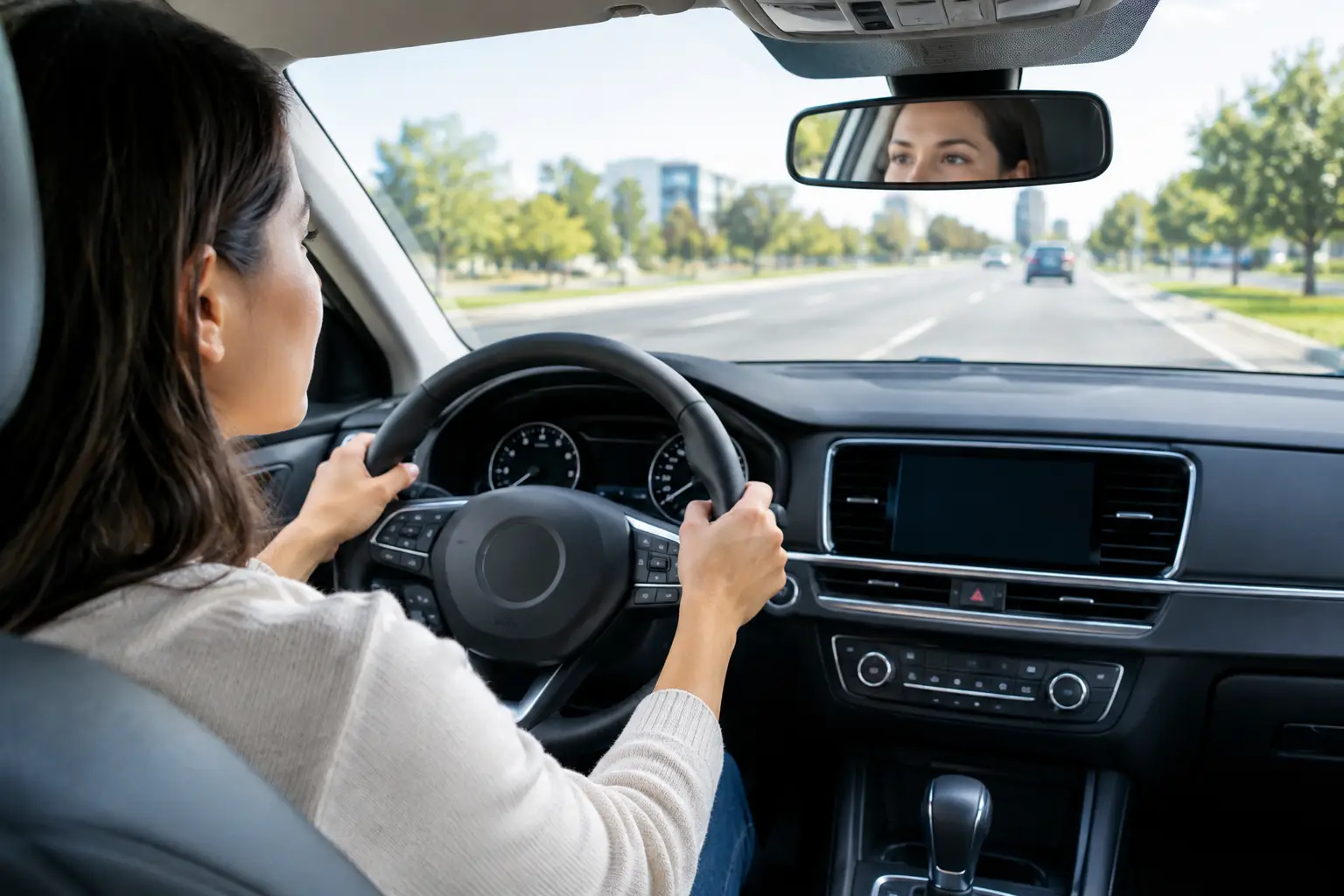
A Hawthorne defensive driving course can mean different things depending on why you are looking for one. You may be a parent helping a teen prepare for a first license, an adult returning to driving after years away, or a driver who wants to feel calmer and more prepared in busy South Bay traffic. In each case, the goal is the same: build habits that help you recognize risk early, make sound decisions, and stay in control.
Defensive driving is not about being fearful behind the wheel. It is about giving yourself time, space, and information to respond safely. That matters on Hawthorne Boulevard, near freeway entrances, in crowded shopping areas, and on neighborhood streets where pedestrians, cyclists, and parked cars can change the driving situation quickly.
What a Hawthorne Defensive Driving Course Should Teach
A useful defensive driving course goes beyond memorizing road signs or practicing for a written test. It should connect safe-driving principles to the decisions drivers make every day.
The foundation is awareness. Drivers learn to scan well ahead, check mirrors regularly, identify developing hazards, and avoid focusing only on the car directly in front of them. A driver who notices brake lights several vehicles ahead has more time to slow down gradually instead of reacting at the last second.
Space management is just as important. Following too closely removes the margin needed to respond when traffic stops suddenly. Good instruction explains how speed, rain, darkness, traffic flow, and driver experience affect following distance. There is no single distance that works in every situation. A newer driver traveling at night in heavy traffic needs a larger safety cushion than an experienced driver moving slowly through a clear residential street.
A well-rounded program also addresses the choices that create preventable risk: distracted driving, speeding, aggressive lane changes, impaired driving, and driving while overly tired. These topics are not meant to lecture students. They help drivers understand how quickly a routine trip can become difficult when attention or judgment slips.
Defensive Driving Is Different From California Traffic School
People often use the terms defensive driving course and traffic school interchangeably, but they may serve different purposes.
Traffic school is generally associated with handling an eligible traffic citation and may have specific court or DMV requirements. If that is your reason for enrolling, confirm the requirements connected to your case before choosing a program. The court notice, due date, and eligibility rules matter.
Defensive driving instruction is broader. It focuses on reducing risk before a ticket or collision happens. It may be especially helpful for teens building their first driving habits, adults who have limited experience in California traffic, older drivers seeking a thoughtful refresher, or people who feel nervous after a crash or long break from driving.
For teen drivers, defensive-driving principles should support - not replace - California’s licensing requirements. Driver education, professional behind-the-wheel training, supervised practice with a parent or guardian, and DMV test preparation each play a distinct role. A student may understand the rules in an online course but still need patient, real-world practice judging gaps, making left turns, merging, parking, and handling unfamiliar intersections.
Why Behind-the-Wheel Practice Makes the Difference
Safe driving is a physical skill as well as a knowledge skill. Reading about checking blind spots is helpful, but a student needs to practice mirror use, shoulder checks, speed control, and lane position until those actions become consistent.
This is where personalized instruction has real value. An instructor can observe whether a student is braking too late, turning too wide, hesitating at uncontrolled intersections, or missing hazards near crosswalks. Rather than simply saying “be careful,” the instructor can explain what to look for and give the student a repeatable routine.
For example, a new driver may become overwhelmed when preparing for a right turn on a busy street. The solution is not to rush. It is to slow early, scan the crosswalk, check mirrors, signal in time, watch for bicycles or pedestrians, and complete the turn at a controlled speed. Practicing this sequence builds confidence because the student knows what to do next.
South Bay Driving School approaches behind-the-wheel instruction with that same paced, practical focus. Lessons can help students develop the skills needed for daily driving and DMV road-test readiness without treating every learner as if they start at the same place.
Who Benefits Most From Defensive Driving Training?
Teens are an obvious fit because they are still learning how quickly road conditions can change. They may be comfortable controlling the vehicle but need more experience predicting what other drivers might do. Defensive driving helps them look farther ahead and avoid being pulled into another driver’s poor decision.
Parents also benefit when a teen receives structured instruction. It gives families a clearer framework for practice at home. Instead of a parent trying to correct everything at once, they can reinforce a few consistent habits: smooth braking, full stops, safe following distance, mirror checks, and steady attention.
Adult beginners often need a different kind of support. Some have postponed driving because they lived in areas with public transportation, while others learned years ago but never became regular drivers. They may feel embarrassed about starting late, but that is exactly why patient instruction matters. The lesson plan should match the driver’s current comfort level, not their age.
Returning and senior drivers may want to refresh skills after a move, health change, collision, or long period without driving. A refresher can focus on current California traffic rules, freeway confidence, parking, intersection judgment, and strategies for driving comfortably within personal limits.
Questions to Ask Before You Enroll
Before selecting a Hawthorne defensive driving course or local driving program, clarify what you need it to accomplish. Are you meeting a court-related requirement, preparing for a DMV test, gaining confidence after time away from driving, or helping a teen build safer habits? The answer affects the right type of course.
Ask whether the program includes actual behind-the-wheel instruction or is classroom-based only. Online education can be convenient for learning rules and safety concepts, but it cannot replace guided practice in a vehicle. If your main concern is anxiety, freeway merging, parking, or driving in traffic, one-on-one lessons are often more useful than a general online course alone.
It is also reasonable to ask how lessons are paced and whether the instructor works with beginners, nervous drivers, or returning drivers. A good program should make room for questions and progress at a sensible pace. Fast instruction is not always better instruction, especially when a driver is trying to form safe habits that will last.
Turn Safety Concepts Into Everyday Habits
The value of defensive driving appears in ordinary moments: leaving enough room when traffic slows, waiting an extra second at a green light, noticing a child near a parked car, or choosing not to answer a phone until the vehicle is safely parked. These decisions rarely feel dramatic, but they are the choices that prevent close calls.
For families in Hawthorne and nearby South Bay communities, the most effective training combines accurate California driving knowledge with calm, supervised practice. Start with the skill that causes the most concern, work on it repeatedly, and let confidence grow from preparation rather than pressure. Safer driving does not require perfection - it requires attention, patience, and a commitment to making the next good decision.