
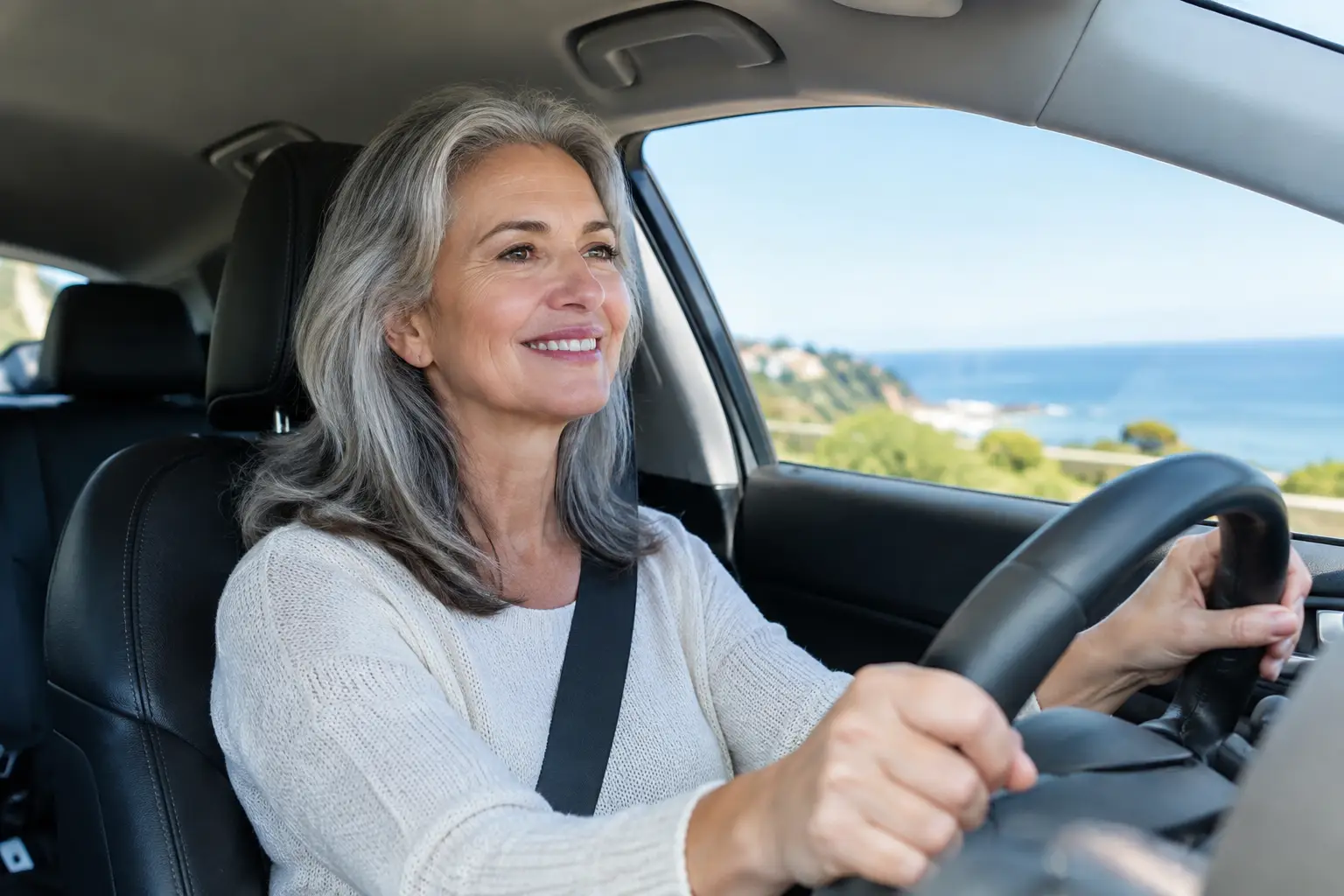
A quiet residential street, a winding hill road, a busy shopping-center parking lot, and a freeway entrance can each feel like a different challenge when you are learning to drive as an adult. Palos Verdes adult lessons should give you more than time behind the wheel. They should provide a calm, structured way to build judgment, vehicle control, and confidence for the roads you actually use.
Adults come to driving lessons for many reasons. Some have never held a license. Some moved to California from another country and want to become comfortable with local traffic rules and road conditions. Others have a license but have not driven for years, or they are preparing for a DMV road test after needing another attempt. The right instruction starts with your experience level rather than assuming every student needs the same lesson.
What Adult Driving Lessons Should Focus On
A productive adult lesson is not about rushing through a checklist. It is about identifying the skills that make you feel uncertain, then practicing them in an order that makes sense. For a true beginner, that may mean starting with seating position, mirrors, braking pressure, steering control, and calm turns on lower-traffic streets. For a returning driver, it may mean reviewing current California driving practices and rebuilding comfort before moving into heavier traffic.
Private instruction is especially valuable because an instructor can observe how you scan intersections, judge space, approach a stop, and respond when something unexpected happens. Those habits matter more than simply knowing how to operate the car. A student may be able to turn the wheel and use the pedals, but safe driving requires consistent decisions about speed, following distance, right-of-way, and awareness.
For many adults, anxiety is part of the learning process. Nervousness does not mean you cannot become a capable driver. It usually means the lesson needs an appropriate pace. A patient instructor can break a difficult skill into smaller steps, repeat it without judgment, and help you understand what to do before the next traffic situation arrives.
Palos Verdes Adult Lessons Built Around Your Starting Point
Palos Verdes roads can be useful for building real-world skills, but the route should match the student's readiness. A first lesson does not need to begin on a steep grade, a narrow roadway, or a busy corridor. Starting in a manageable environment gives new drivers time to focus on the basics without feeling overloaded.
As confidence grows, lessons can add the situations that require more planning: hill starts, controlled downhill speed, lane changes, complex intersections, parking, and merging. The goal is not to make every lesson difficult. It is to make each new challenge achievable and repeatable.
For adult beginners
Beginning drivers need a foundation that holds up when traffic becomes less predictable. Early lessons should cover smooth acceleration and braking, turning at the correct speed, lane position, signaling, checking mirrors, and looking ahead instead of only at the vehicle in front of them. From there, practice can expand to residential streets, larger roads, and parking situations.
Adults often try to learn too much at once because they want to become independent quickly. That is understandable, but rushing can create habits that are hard to correct later, such as braking too late, turning too wide, or focusing only on one part of the road. Steady practice usually produces better results than one long session followed by several weeks without driving.
For returning drivers
A returning driver may already understand the mechanics of driving but feel uneasy in traffic or uncertain about changes since they last drove regularly. In that case, lessons can focus on regaining comfort with modern traffic patterns, defensive driving habits, freeway entries and exits, parking, and decision-making at busy intersections.
The best refreshers are specific. If freeway driving is the concern, a lesson should not spend all its time on basic neighborhood turns. If parking is the concern, the instructor should create enough practice opportunities for the skill to feel familiar rather than treating it as a final five-minute exercise.
For drivers preparing for the DMV road test
Road-test preparation should be practical, not a promise that every student will pass. The DMV evaluates safe, legal driving, and a strong lesson can help students understand the behaviors examiners look for: complete stops, safe observation, proper turns, appropriate speed, controlled lane changes, and consistent attention to traffic conditions.
A practice evaluation before the test can be helpful because it reveals gaps that casual driving may hide. A student might know the route to work well but still miss mirror checks, leave too much uncertainty at intersections, or struggle with a maneuver when asked to perform it on command. Addressing those details before test day can reduce surprises.
How Many Lessons Does an Adult Need?
There is no honest one-size-fits-all answer. A licensed adult who wants to refresh parking and freeway skills may benefit from a small number of focused sessions. A beginner who has never driven needs more time to develop safe habits before attempting the DMV road test. Previous experience, comfort level, practice opportunities between lessons, and the type of vehicle being used all affect the timeline.
Lesson length also matters. A longer lesson can allow time to settle in, practice several skills, and apply them on different roads. On the other hand, newer drivers may learn better in shorter, more frequent sessions because concentration drops when they are overwhelmed. A good plan is one that leaves the student challenged but still able to absorb what they practiced.
Adults applying for a first California license should also make sure they understand the DMV process for their situation, including permit, knowledge-test, and road-test requirements. Professional instruction supports that process, but it does not replace the DMV's licensing requirements or the value of safe practice outside the lesson.
What to Look for in an Adult Driving Instructor
Experience matters, but so does the way an instructor teaches. Adult students should look for clear explanations, direct feedback, and a patient approach that does not confuse correction with criticism. You should leave a lesson knowing what improved, what still needs work, and what to practice next.
It also helps to choose a school that can adapt training to a real goal. That may be learning to drive independently, preparing for a road test, returning to driving after a long break, or learning manual transmission. South Bay Driving School has served local learners since 1992, with private instruction designed around individual needs rather than a fixed pace for every student.
Convenience can make practice more consistent as well. If scheduling is difficult, online booking and lesson times that fit work, school, or family responsibilities can remove one more barrier to progress. The important thing is not finding the fastest possible route to a license. It is finding a dependable path to driving safely after the test is over.
Make Each Practice Drive Count
Between professional lessons, practice should have a purpose. Rather than repeating the same familiar route, choose one or two skills to work on and keep the drive manageable. A new driver might practice smooth stops and right turns. A returning driver might focus on scanning farther ahead and maintaining a safe following distance.
After each drive, take a minute to identify one success and one skill to revisit. This simple habit keeps progress visible and prevents mistakes from becoming routine. It also gives the next lesson a clear starting point.
Driving confidence is built through calm repetition, not pressure. With instruction that respects your pace and practice that becomes gradually more challenging, the roads around Palos Verdes can become places where you make informed, safe decisions one mile at a time.