
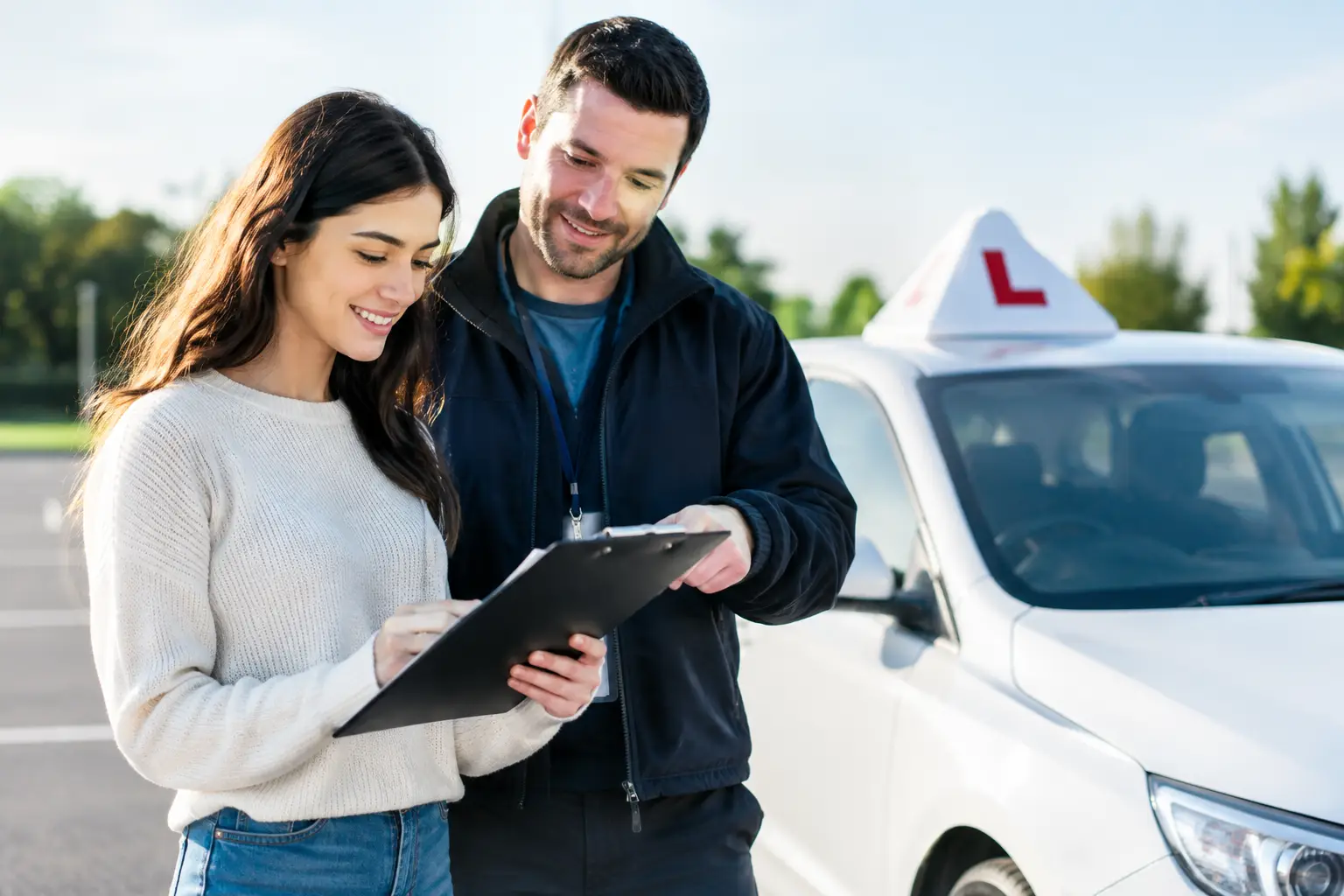
A driving lesson can shape how a new driver reacts at a busy Torrance intersection, merges onto the freeway, or handles a surprise stop in traffic. That is why choosing among the best driving schools is about more than finding the lowest lesson price or the first available appointment. The right school gives students a calm, structured place to build skills that last beyond the DMV road test.
For parents, the decision often comes with understandable questions: Will the instructor be patient? Is the training vehicle safe? Will lessons prepare my teen for real South Bay driving, not just an empty parking lot? Adult beginners, returning drivers, and seniors may have different concerns, but they need the same thing: clear instruction that moves at a pace they can manage.
Start With Safety and Instructor Experience
A quality driving school should be able to explain how it puts safety first. Ask whether its instructors are properly licensed, trained, and experienced teaching students at different skill levels. Experience matters because learning to drive is rarely a straight line. One student may feel comfortable steering but struggle with lane changes. Another may understand the rules yet freeze at busy intersections.
Patient instructors notice those differences and adjust the lesson. They do not rush a nervous student into a difficult situation before basic vehicle control is reliable. At the same time, they do not let a confident student repeat only the easiest maneuvers. Good instruction introduces challenges gradually, with clear feedback after each drive.
Ask about the school’s training vehicles, too. A professional lesson car should be well maintained and equipped to support safe instruction. Students should know what to expect before their first lesson, including where pickup occurs, what documents to bring, and how the instructor will help them settle in.
Look for a Plan, Not Just Driving Time
Behind-the-wheel hours are valuable, but time in the car alone does not guarantee progress. The best driving schools organize lessons around specific skills and California licensing milestones.
For a new teen driver, that plan may begin with seating position, mirrors, smooth braking, turns, and residential streets. It should then progress to lane changes, intersections, parking, traffic awareness, freeway driving when appropriate, and DMV test preparation. California’s required professional training establishes a baseline for teens, but many learners benefit from additional practice based on their confidence and readiness.
A strong school can explain what happens in each lesson and why. That structure helps parents understand what their teen is learning, while giving students a sense of progress. It also makes it easier to identify where extra practice would be useful before a road test.
Adults should not be placed into a teen-style program by default. An adult beginner may need more time on fundamentals, while a returning driver may mainly need help rebuilding judgment, parking skills, or freeway confidence. Senior drivers may benefit from a slower pace and practical coaching tailored to current habits and comfort level.
The DMV Test Is a Goal, Not the Whole Goal
Passing the DMV road test matters, but it should not be the only measure of a school’s value. A student can memorize a test route and still feel unprepared for a rainy evening, a crowded shopping center, or an unfamiliar freeway entrance.
Ask how the school prepares students for the road test while also teaching everyday driving habits. Useful test preparation covers observation, complete stops, turns, lane control, safe speed choices, backing, parking, and communication with other road users. Just as important, it teaches students to think ahead instead of reacting at the last second.
DMV drive-test support can also reduce pressure on test day, particularly for families coordinating school, work, and appointments. If that service matters to you, confirm what is included and how vehicle use, pickup, and timing are handled.
Compare Lesson Options Carefully
Price matters, especially when a family is budgeting for driver education, permit requirements, lessons, and a future vehicle. Still, the cheapest option is not always the most affordable if it leaves a student needing to repeat lessons or feeling unprepared for the test.
Compare the length of each lesson, the number of hours included in a package, and whether online driver education is available. A bundled program can make sense for a teen who needs both the classroom portion and behind-the-wheel instruction. A single lesson may be a better fit for an adult who wants a skill assessment or a returning driver who needs a focused refresher.
Before booking, make sure you understand the cancellation policy, service area, and whether pickup and drop-off are offered. Convenience is not a minor detail for busy families. A school that can pick up a student from home or school in its normal service area may make it easier to keep lessons consistent.
Be cautious about packages that sound impressive but are vague about what they include. The school should clearly state the number of driving hours, the kind of instruction provided, and any conditions that affect scheduling. Clear information is a sign that the business respects your time and your budget.
Choose Local Knowledge That Helps in Real Traffic
Local experience adds real value when it is used to teach practical judgment rather than to promise an easy DMV pass. South Bay drivers encounter congested boulevards, school zones, multi-lane intersections, coastal traffic, freeway ramps, and neighborhoods where pedestrians, cyclists, and parked cars require constant attention.
An instructor familiar with Torrance, Redondo Beach, Manhattan Beach, Carson, Gardena, Lomita, Palos Verdes, and San Pedro can select practice environments that fit a student’s current ability. A beginner may start in quieter areas before moving into more complex traffic. A student nearing the DMV test may benefit from practicing the transitions that commonly create anxiety, such as busy intersections, lane changes, and parking near active businesses.
Local familiarity should never mean cutting corners. It should mean choosing routes deliberately, teaching students how to read conditions, and helping them become capable in the places they will actually drive.
Ask Questions Before You Commit
A brief phone call or conversation before enrollment can reveal a great deal about a school’s approach. Ask how instructors work with anxious students, how progress is communicated, and what happens if a learner needs more practice in one area. Listen for direct, thoughtful answers rather than broad promises.
It is also reasonable to ask whether the school offers manual-transmission instruction if that is a goal. Manual driving requires a different set of coordinated skills, and students should learn it with an instructor and vehicle suited to that purpose. Do not assume every school provides it.
For parents, ask how the school helps connect professional lessons with at-home practice. Family practice is often essential, but it works best when the student has a consistent foundation. An instructor can help identify the skills that are ready for reinforcement and the situations that should wait until the student has more confidence.
Watch for the Right Learning Environment
The right instructor creates an environment where students can make small mistakes, understand what happened, and try again safely. Driving instruction should be calm and direct, not intimidating. A student who is afraid to ask questions may appear compliant during a lesson while failing to understand key decisions.
That does not mean every lesson will feel easy. Learning to drive involves responsibility, concentration, and correction. But students should leave with a clearer understanding of what to practice next, not with a sense that they are simply not good at driving.
South Bay Driving School has served local learners since 1992 with that practical, paced approach: helping students build control first, then confidence, then independence. Whether the learner is a teen preparing for a first license or an adult returning to the road, the best choice is a school that treats driving as a skill to be learned carefully, one decision at a time.
A good first lesson should leave a student feeling more capable than when they arrived. That is the standard worth looking for when choosing a driving school.