
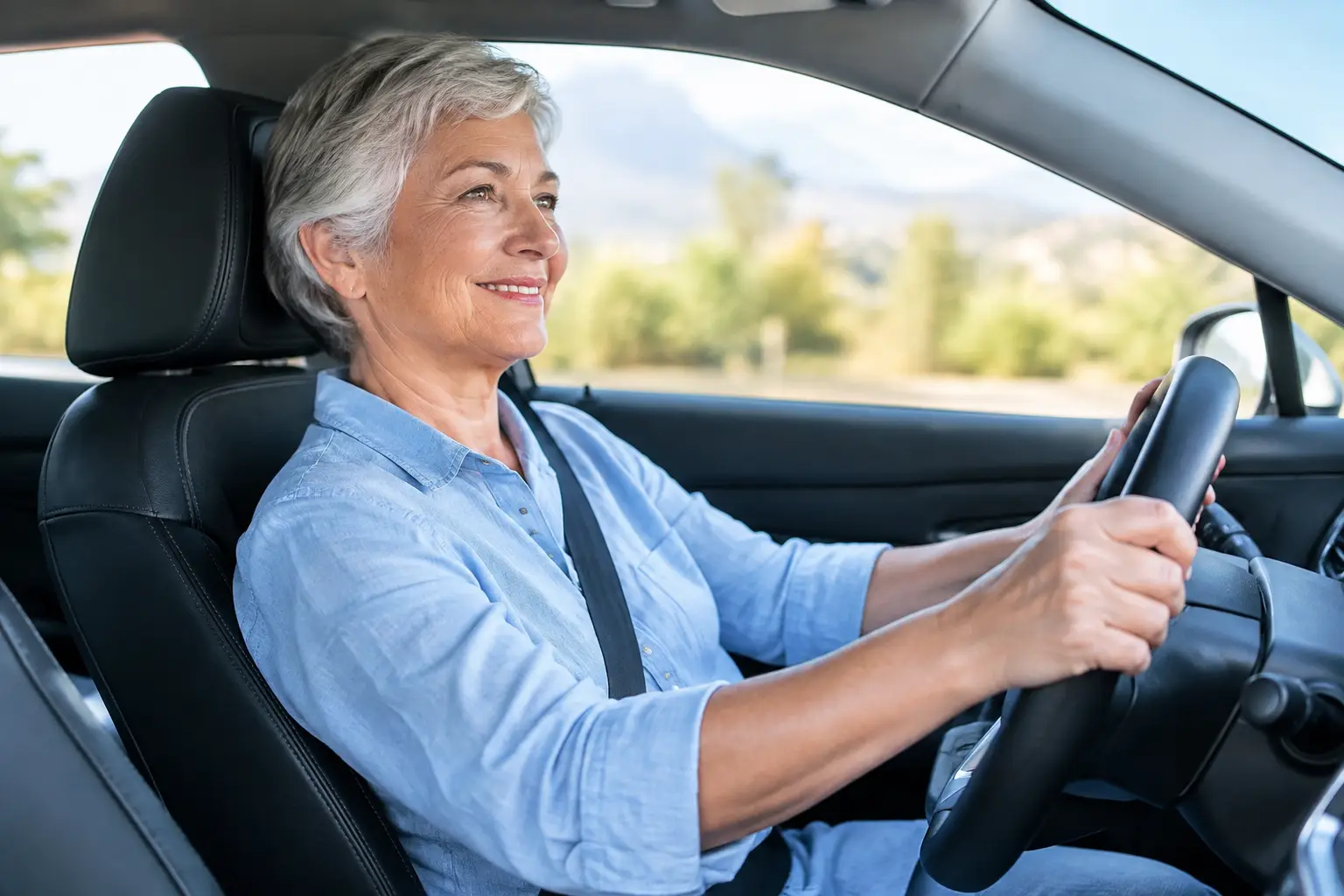
A driver who has spent decades behind the wheel does not usually need to start over. They may, however, want more time to process a busy intersection, a reminder about a newer traffic rule, or a calm second set of eyes while practicing freeway merges. The best senior refresher outcomes are not measured by how many miles someone drives in a lesson. They are measured by whether everyday trips feel safer, more comfortable, and easier to manage.
For many older adults, a refresher lesson is a practical choice rather than a reaction to a problem. Driving conditions change, vehicles change, and confidence can shift after an illness, a long break from driving, a close call, or a move to a busier area. Patient, individualized instruction gives drivers a way to assess their current habits and strengthen the skills that matter most to their routines.
What Senior Refresher Outcomes Should Look Like
A worthwhile refresher program should produce clear, useful improvements. The goal is not to make every driver use the exact same technique or drive in a rushed, test-like manner. It is to help the driver make sound decisions with enough time and attention to stay in control.
For some people, the primary outcome is renewed confidence. They may have gradually stopped driving on freeways, at night, or in unfamiliar neighborhoods because those situations became stressful. A well-paced lesson can identify what is causing that stress and provide structured practice without pressure.
For others, the outcome is better awareness. This can include checking mirrors more consistently, scanning farther ahead, leaving appropriate following distance, recognizing changing traffic patterns, and noticing pedestrians or cyclists before a turn. These are repeatable habits that support safer driving on every trip, whether the destination is a medical appointment, grocery store, family visit, or community activity.
Confidence should be based on skill
Confidence is valuable when it comes from accurate self-awareness and practiced skills. A senior driver should leave a refresher lesson knowing what they do well, where they should use extra care, and which situations may benefit from additional practice.
That distinction matters. A lesson should not simply reassure someone that everything is fine if an instructor observes habits that could create risk. At the same time, it should not treat a cautious driver as incapable. Good instruction is honest, respectful, and focused on practical adjustments.
Refresher Training Often Starts With Everyday Concerns
Senior drivers arrive with different needs. One person may be comfortable on local streets but avoid left turns at large intersections. Another may be returning to driving after recovering from surgery. Someone else may be driving a newer vehicle with unfamiliar safety features, backup cameras, touch-screen controls, or different sight lines than their previous car.
A personalized lesson begins with a conversation about real driving patterns. How often does the driver use the freeway? Do they drive after dark? Are parking lots, lane changes, or heavy traffic the biggest concern? Is there an upcoming California DMV drive test, or is the goal simply to feel steady and independent on routine trips?
The answers shape the lesson. There is little value in spending most of a session on freeway practice when the driver’s main challenge is managing tight parking areas. Likewise, a driver preparing for a DMV reevaluation or road test may need more focused work on observation, complete stops, turns, lane position, and following directions.
Safer Decision-Making Is the Most Meaningful Result
Vehicle control matters, but safe driving depends heavily on judgment. A refresher lesson can help experienced drivers rebuild the decision-making habits that reduce surprises.
That may mean choosing a larger gap before entering traffic instead of forcing a turn. It may mean slowing early for a yellow light rather than making a last-second choice. It can also mean recognizing when conditions call for a different plan, such as avoiding a difficult route after dark or postponing a trip during heavy rain.
These adjustments are not signs of weakness. They are signs of mature driving judgment. Every driver has limits that can change with fatigue, weather, vision, medication, traffic volume, or the complexity of a route. The safest plan is the one that accounts for those conditions before they become a problem.
Practice for complex South Bay driving situations
In the greater South Bay, drivers may encounter busy multi-lane streets, freeway entrances, dense shopping-center parking lots, school-zone traffic, coastal glare, and frequent pedestrian activity. A local instructor can help a senior driver practice the types of situations they actually face around Torrance, Redondo Beach, Palos Verdes, or San Pedro.
The purpose is not to seek out stressful conditions just to prove a point. It is to approach them gradually, with coaching that gives the driver time to make safe choices. Sometimes the right next step is practicing one maneuver repeatedly on quieter streets before moving to heavier traffic.
Updated Rules and Modern Road Habits Matter
Even highly experienced drivers can benefit from a review of current California driving expectations. Road layouts, signage, bicycle infrastructure, and traffic enforcement priorities have changed over time. Many drivers also learned before advanced driver-assistance features became common in vehicles.
A refresher can reinforce foundational rules, including yielding appropriately, making complete stops, using turn signals early, maintaining lane position, and sharing the road with pedestrians, motorcycles, and cyclists. It can also address newer or less familiar driving environments, such as marked bike lanes, roundabouts, and intersections with multiple turn lanes.
Technology deserves a balanced approach. Features such as backup cameras, blind-spot alerts, and parking sensors can be helpful, but they do not replace scanning, mirror checks, or direct observation. An effective outcome is knowing how to use these tools as added information, not as a substitute for attentive driving.
What a Refresher Lesson Cannot Decide
Driving instruction can improve skills and provide an informed, practical view of on-road habits. It is not a medical assessment, and an instructor cannot determine whether vision, hearing, cognition, or medication effects make someone medically unfit to drive.
If a driver or family member has concerns about sudden confusion, frequent near misses, getting lost on familiar routes, vision changes, or medication side effects, a conversation with an appropriate health care professional may be necessary. That can feel difficult, especially when driving represents independence. Addressing concerns early is often more supportive than waiting for a crash, citation, or frightening incident.
The decision also does not have to be all or nothing. Some drivers are safest when they limit driving to daytime, familiar routes, or good weather. Others may benefit from more instruction and return to a wider range of driving. It depends on the individual driver, their health, their skill level, and the conditions they face.
How Families Can Support the Process
Families often raise the subject of a refresher lesson because they care, but the conversation can become emotional if it sounds like an attempt to take away independence. A better approach is to focus on support and specific goals.
Instead of saying, “You should not be driving,” try discussing a particular concern: a recent difficult merge, discomfort with freeway traffic, or uncertainty about a new vehicle. Present a lesson as a private opportunity to get professional feedback and practice, not as a punishment or a test arranged by relatives.
It also helps to let the driver retain a voice in the process. They can identify the roads, maneuvers, and conditions they want to work on. When instruction respects the driver’s experience while addressing present-day needs, the result is more likely to build trust and create lasting habits.
Turning a Lesson Into Safer Daily Driving
The strongest senior refresher outcomes continue after the lesson ends. Drivers can reinforce progress by practicing one skill at a time on familiar routes, leaving extra time so they do not feel rushed, and choosing lower-stress conditions when building confidence. A short, purposeful practice drive is often more useful than an exhausting trip with too many challenges at once.
For drivers who need more than one session, gradual lessons can create a clear path forward: first refresh basic observation and vehicle control, then practice intersections and lane changes, and later add freeway driving or parking as appropriate. South Bay Driving School approaches instruction this way because steady improvement is more meaningful than pressure to perform.
A good refresher should leave a senior driver with something concrete: a safer habit to use at every intersection, a calmer plan for difficult routes, or the confidence to make the next trip on their own terms.