
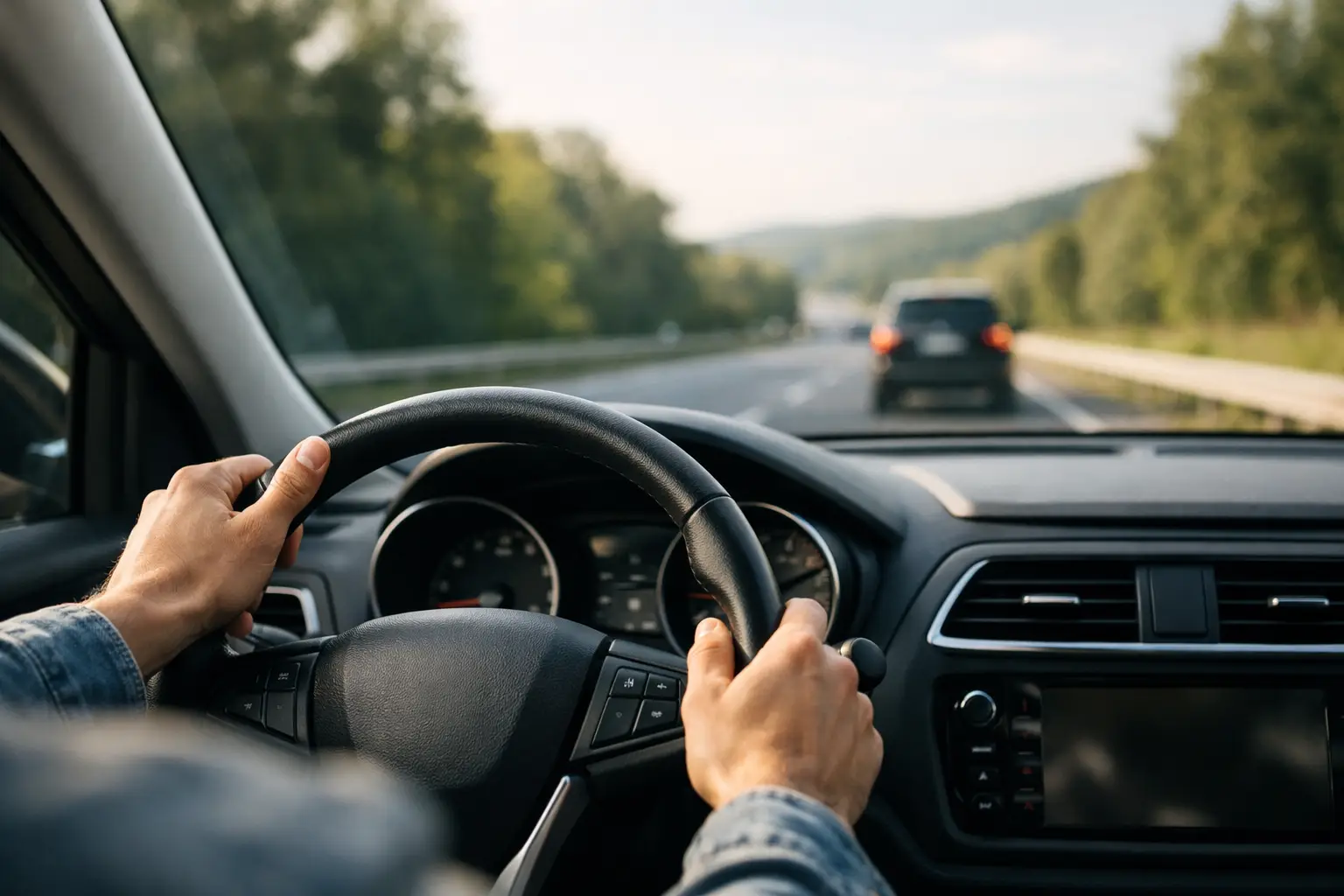
The first time you sit behind the wheel after a long break, a once-familiar task can feel surprisingly fast. Cars move in every direction, mirrors seem harder to check, and even a simple left turn may bring a rush of tension. Learning how to recover driving confidence is not about forcing yourself through that feeling. It is about rebuilding calm, repeatable habits one drive at a time.
Confidence is earned through preparation and successful practice, not by pretending nerves are not there. Whether you stopped driving after an accident, moved to a busier part of town, lost access to a vehicle, or simply have not driven in years, a paced plan can help you return to the road safely.
How to Recover Driving Confidence Without Rushing
Start by being honest about what feels difficult. Some returning drivers are comfortable controlling the vehicle but worry about freeway traffic. Others are fine on familiar neighborhood streets yet freeze at unprotected left turns, lane changes, or busy parking lots. Knowing the difference helps you practice the right skill instead of treating driving as one large problem.
Choose a vehicle you can operate comfortably. Before driving, adjust the seat so you can fully press the brake and accelerator without stretching. Set the mirrors, identify the turn signals, wipers, headlights, parking brake, and defroster, and make sure you know where the hazard-light button is. These small preparations reduce the number of decisions you have to make once the car is moving.
Then begin in a setting that matches your current ability, not the setting you think you should be able to handle. A quiet residential street or an empty parking lot can be the right first step for someone who has been away from driving. There is no prize for beginning on a crowded arterial road during rush hour.
Build Skills in a Logical Order
A good return-to-driving plan progresses from low pressure to real-world conditions. Repeat each stage until it feels predictable, then add one new challenge. If a drive leaves you mentally exhausted or panicked, the step may have been too large. Scale back and practice a smaller version of the same skill.
Refresh basic vehicle control first
In a quiet area, practice smooth starts, steady braking, turns, backing up, parking, and checking mirrors regularly. Focus on looking well ahead rather than staring at the hood of the car or the vehicle directly in front of you. A driver who looks farther down the road has more time to see changes, make decisions, and brake gradually.
Use a simple routine at intersections: scan left, center, and right; check for pedestrians and cyclists; then proceed only when you have a safe gap. At stop signs, come to a complete stop behind the limit line or crosswalk. Repeating the same safe sequence helps replace uncertainty with muscle memory.
Practice familiar routes at calm times
Your next drives should have a clear purpose and a manageable route. Drive to a nearby grocery store, school, library, or park during lighter traffic. Pick a time when you are not late, hungry, overly tired, or trying to manage several passengers.
Drive the same route a few times before changing it. Familiarity is useful at this stage because it lets you focus on observation, speed control, and positioning rather than constant navigation. Once that route feels comfortable, add a new element, such as a busier intersection or a longer stretch of road.
For South Bay drivers, this may mean starting on local residential streets before practicing larger corridors in Torrance, Redondo Beach, Gardena, or Carson. Coastal traffic, school zones, delivery vehicles, cyclists, and changing lane patterns can all add complexity. They are easier to manage when basic control already feels natural.
Add challenging situations one at a time
Freeways, lane changes, nighttime driving, rain, and dense traffic are legitimate concerns for returning drivers. They should be practiced, but not all in the same week or on the same trip.
For example, begin freeway practice by entering at a less congested time with an experienced, calm passenger or instructor. Practice matching traffic speed on the on-ramp, checking mirrors and blind spots, merging decisively when there is a safe opening, and exiting after a short distance. A brief, well-planned freeway drive is more useful than a long drive that leaves you shaken.
Night driving deserves its own practice session. Clean the windshield inside and out, make sure all exterior lights work, and reduce distractions in the cabin. At night, slow down enough to leave yourself time to respond within the distance you can see. If glare from headlights is bothersome, keep your eyes directed toward the right edge of your lane rather than looking into oncoming lights.
Address Fear After an Accident or Close Call
After a collision or a frightening near-miss, it is common to replay the event and expect the same thing to happen again. That response can make a driver grip the wheel too tightly, brake suddenly, avoid needed lane changes, or hesitate in traffic. These reactions are understandable, but they can create new risks if they become habits.
Give yourself permission to return gradually. Start with short trips in conditions that feel controlled, and do not make the first drive back a major commute. Before leaving, review the route, allow extra time, and decide where you can pull over safely if you need a break.
It also helps to separate the past event from the skills you are practicing now. Instead of thinking, "I am a bad driver," identify a specific action: "I need more practice judging safe following distance," or "I want to feel steadier when traffic slows suddenly." Specific concerns can be trained. Broad self-criticism usually makes learning harder.
If anxiety remains intense, causes panic symptoms, or prevents you from completing essential trips, consider speaking with a qualified health professional as well as a driving instructor. Driving instruction can build practical skills, while professional mental health support can help address fear that extends beyond the vehicle.
Use Professional Instruction as a Reset
A patient driving instructor can be especially helpful when family practice has become stressful. Parents, spouses, and friends usually mean well, but their reactions may be inconsistent or emotionally charged. A professional instructor provides a structured lesson, clear feedback, and a vehicle designed for training.
For an adult returning to driving, the right lesson is not a repeat of a teen program. It should begin with an assessment of your current skills and goals. You may need a refresher on turns, right-of-way rules, parallel parking, freeway merges, DMV road-test preparation, or California traffic situations that have changed since you last drove regularly.
At South Bay Driving School, private instruction can be paced around the areas that make a returning driver most uneasy. That may mean starting with quiet streets and parking practice, then working toward traffic, freeway driving, or a DMV drive test. The goal is not to push you before you are ready. It is to help you develop safe habits you can use independently.
Replace Pressure With Useful Practice
Practice works best when it is consistent and focused. A 30- to 60-minute drive two or three times a week is often more effective than one long, stressful outing every few weeks. Keep a short record of what went well and what you want to practice next time. Seeing progress in writing can challenge the feeling that you are stuck.
Avoid using distractions as a way to cope with nerves. Turn off unnecessary notifications, keep conversations quiet, and do not rely on loud music to drown out anxiety. Your attention is a safety tool. The more information you can calmly take in, the better your decisions will be.
Also resist comparing yourself with aggressive or impatient drivers. Someone tailgating, speeding, or honking does not require you to make an unsafe choice. Maintain a legal, appropriate speed, leave space ahead, signal early, and wait for a safe opening. Calm driving is not slow driving. It is driving with enough margin to respond well.
Know When You Are Ready to Expand Your Driving
Confidence does not mean you will never feel cautious. It means you can notice a demanding situation, use your training, and make a safe decision without becoming overwhelmed. You may be ready to expand your driving when you can complete familiar trips without excessive tension, recover calmly from small mistakes, and explain the steps you use for merging, turning, parking, and responding to hazards.
Some days will still feel easier than others. Fatigue, weather, heavy traffic, and unfamiliar routes affect every driver. On those days, choose a simpler route, leave earlier, or postpone a nonessential trip. Good judgment includes recognizing when conditions call for more care.
Every safe drive gives you evidence that you can handle the next one. Start where you are, practice with purpose, and let steady experience do the work of bringing confidence back.