
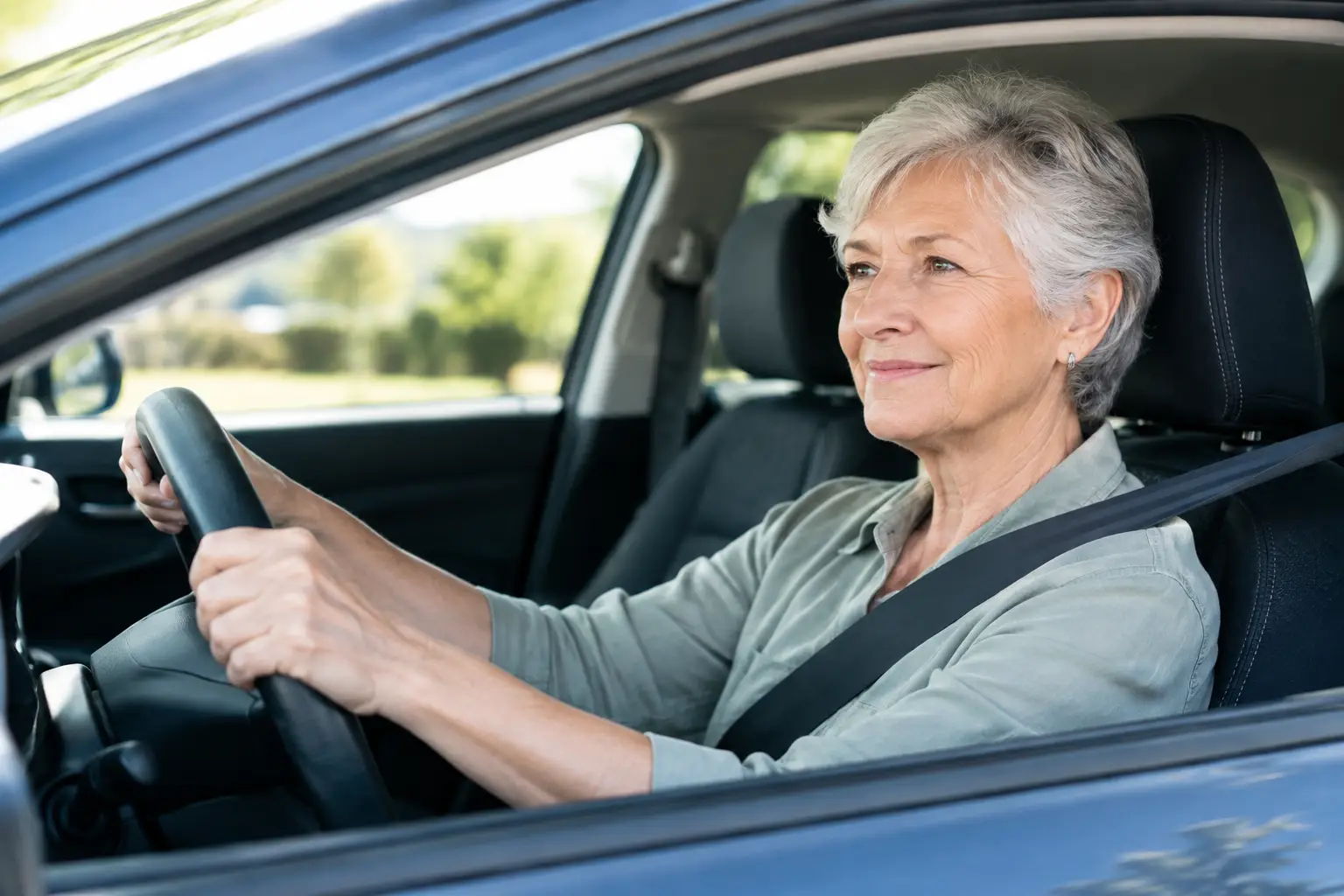
A familiar route can hide small changes in driving habits. Maybe turns feel rushed now, freeway merges create more tension than they used to, or night driving has become something to avoid. These are common experiences, and they lead many families to ask: do seniors need refresher lessons? The answer is not automatically yes because of age. A refresher lesson can be a practical, respectful choice when a driver wants an honest look at current skills and clear guidance for staying safe behind the wheel.
For many older adults, driving supports independence: getting to appointments, seeing friends, shopping, volunteering, and staying connected to the community. The goal of senior driver instruction is not to take that independence away. It is to help a driver make sound decisions, strengthen useful habits, and recognize when adjustments may be needed.
When a refresher lesson makes sense
A senior driver does not need to have had a crash or traffic ticket to benefit from professional instruction. Often, the best time for a lesson is before a concern becomes a serious problem. A patient instructor can observe real driving in a calm setting and provide feedback that a spouse, adult child, or friend may find difficult to give.
Refresher lessons can be especially helpful after a long break from driving, a move to a busier area, or a change in health or medication. Recovering from surgery, adapting to new glasses or hearing aids, and returning to driving after an illness can all affect comfort and response behind the wheel. The right next step depends on the person, their doctor’s guidance, and the type of driving they plan to do.
Some drivers simply notice that traffic feels faster or more complicated. In the South Bay, that can mean navigating multi-lane streets, busy shopping areas, freeway entrances, unfamiliar intersections, or changing conditions near the coast. A lesson can focus on the situations that matter most to the individual rather than treating every driver the same.
What changes can affect driving over time
Experience remains one of a senior driver’s greatest strengths. Years on the road often bring patience, better anticipation, and an understanding of how quickly conditions can change. At the same time, normal changes in vision, hearing, flexibility, attention, and reaction time can affect how easily someone manages certain tasks.
For example, turning to check a blind spot may feel less comfortable if neck or shoulder movement is limited. Night glare can make it harder to judge distance. A driver who once made quick left turns across traffic may need more time and a larger gap than before. None of these changes automatically means a person should stop driving. They may mean it is time to adjust habits, routes, vehicle settings, or driving times.
Medication deserves attention as well. Some prescriptions and over-the-counter medications can cause drowsiness, dizziness, blurred vision, or slower reaction time. A driving instructor cannot provide medical advice, but a lesson can reveal situations where a driver feels less alert or needs more time to process what is happening. Questions about medication effects should be discussed with a doctor or pharmacist.
What senior driving refresher lessons cover
A useful refresher lesson is not a lecture about getting older. It is a personalized evaluation and coaching session built around real driving tasks. The instructor begins by understanding the driver’s concerns, goals, recent driving experience, and preferred routes. From there, the lesson can move at a pace that supports learning without adding unnecessary pressure.
Vehicle control is often a starting point. Proper seat position, mirror adjustment, steering technique, braking distance, and smooth acceleration all make driving more comfortable and give the driver more time to react. A few small adjustments to seating or mirrors can improve visibility and reduce strain.
The lesson may then focus on observation and decision-making. That includes scanning farther ahead, checking mirrors regularly, managing blind spots, judging gaps in traffic, making safe lane changes, and approaching intersections with a plan. These skills are important for every driver, but they are particularly valuable when response time or visual comfort has changed.
Parking, backing up, and turning can also be covered in detail. Many drivers are comfortable traveling straight on familiar roads but feel less confident in crowded parking lots, tight spaces, or driveways with limited visibility. Repeated practice with calm, specific feedback can make these everyday situations feel more manageable.
A refresher session can also address freeway driving, if that is part of the driver’s regular routine. Merging, changing lanes, leaving enough following distance, and choosing a comfortable speed are all skills that improve with purposeful practice. If freeway driving is no longer comfortable, a responsible plan may include using surface streets or traveling at less congested times instead. Safe driving does not require forcing oneself into every situation.
Do seniors need refresher lessons before a DMV test?
Sometimes, yes. A senior may seek lessons because the California DMV has requested a reexamination, because a license has lapsed, or because the driver wants preparation before a road test. In these situations, instruction should address both the DMV’s expectations and the driver’s day-to-day safety.
Road-test preparation can include proper stops, lane positioning, right and left turns, backing, speed control, signaling, observation, and responding to the examiner’s directions. A practice drive may identify habits that are easy to correct but can affect a test result, such as incomplete stops, late signaling, or failing to check traffic carefully before changing lanes.
Still, passing a test should not be the only measure of readiness. A driver should feel capable of managing the trips they actually need to make. If a person can perform well on a short test route but feels overwhelmed by night driving or high-speed traffic, that concern deserves practical attention too.
How families can raise the subject respectfully
Conversations about driving can be emotional. For older adults, a concern from family may sound like criticism or a threat to independence. For adult children, the topic can feel uncomfortable because they want to protect a parent without being controlling.
Starting with support makes a difference. Instead of saying, “You should not be driving,” focus on a specific observation: “I noticed that intersection was stressful. Would you feel better with a professional refresher lesson?” A neutral instructor can offer objective feedback, which often lowers tension within the family.
It also helps to listen. A senior may already be limiting driving at night, avoiding freeways, or choosing familiar routes. Those decisions can show good judgment. The conversation should be about finding the safest plan, whether that means a few lessons, changes to driving routines, medical follow-up, or other transportation options for certain trips.
Choosing instruction that respects the driver
Senior instruction should feel patient, clear, and individualized. The instructor should explain what is being practiced and why, give feedback without talking down to the student, and allow time to repeat a maneuver until it feels more natural. A one-size-fits-all program is rarely the best fit for a returning or older driver.
It is also helpful to choose lessons based on the driver’s actual needs. Someone who has not driven in years may need a broader return-to-driving plan. Someone who drives regularly but has concerns about freeway merging may only need focused practice. A driver preparing for a DMV evaluation may need structured road-test coaching along with a candid assessment of everyday readiness.
South Bay Driving School provides patient, personalized instruction for seniors who want to refresh their skills, prepare for a DMV road test, or regain confidence after time away from driving. The emphasis is on practical habits that support safer, more comfortable driving.
A refresher lesson is not a verdict on someone’s ability or independence. It is a chance to replace uncertainty with useful feedback, practice the situations that feel difficult, and make thoughtful choices about staying safe on the road.